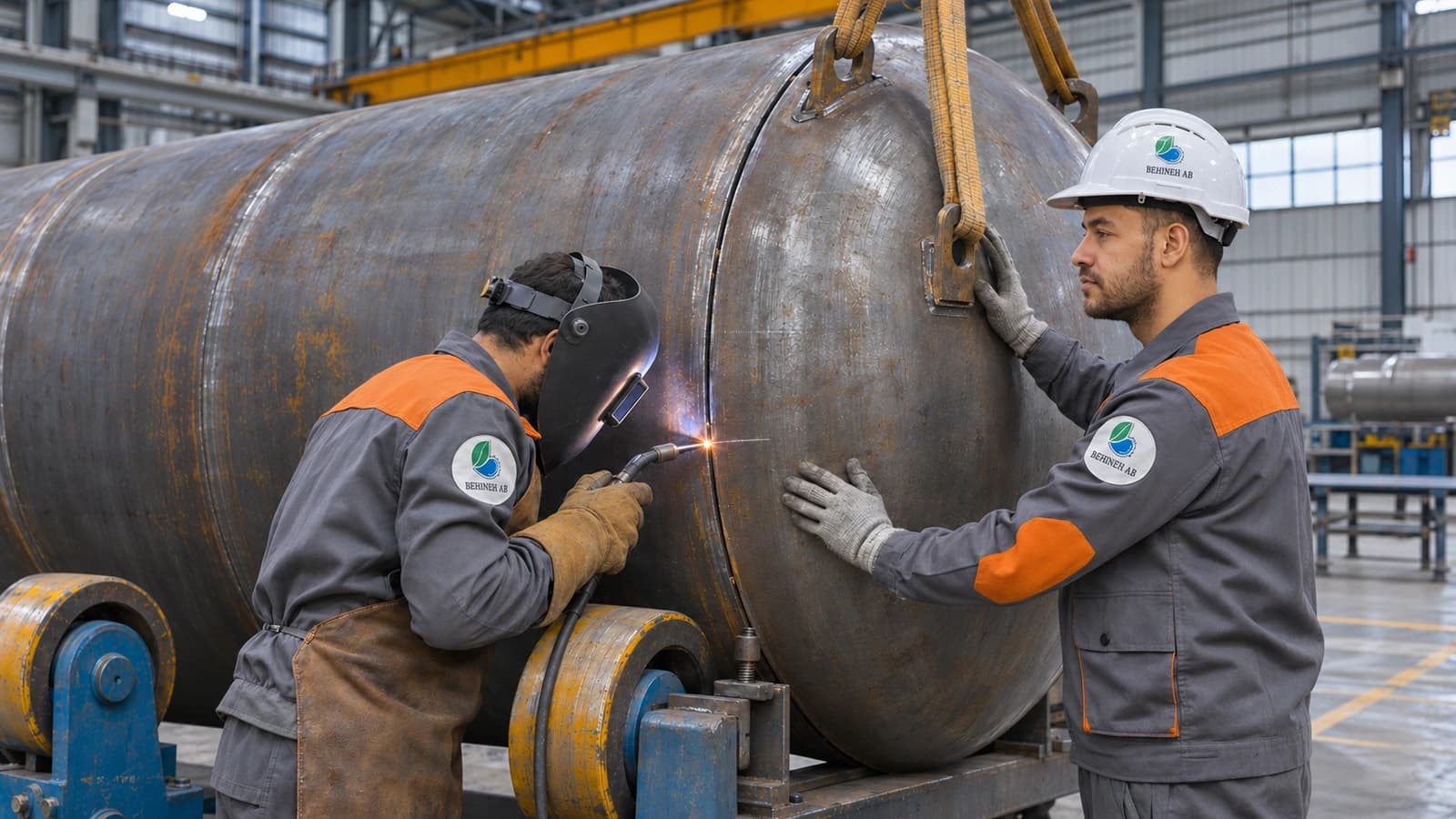
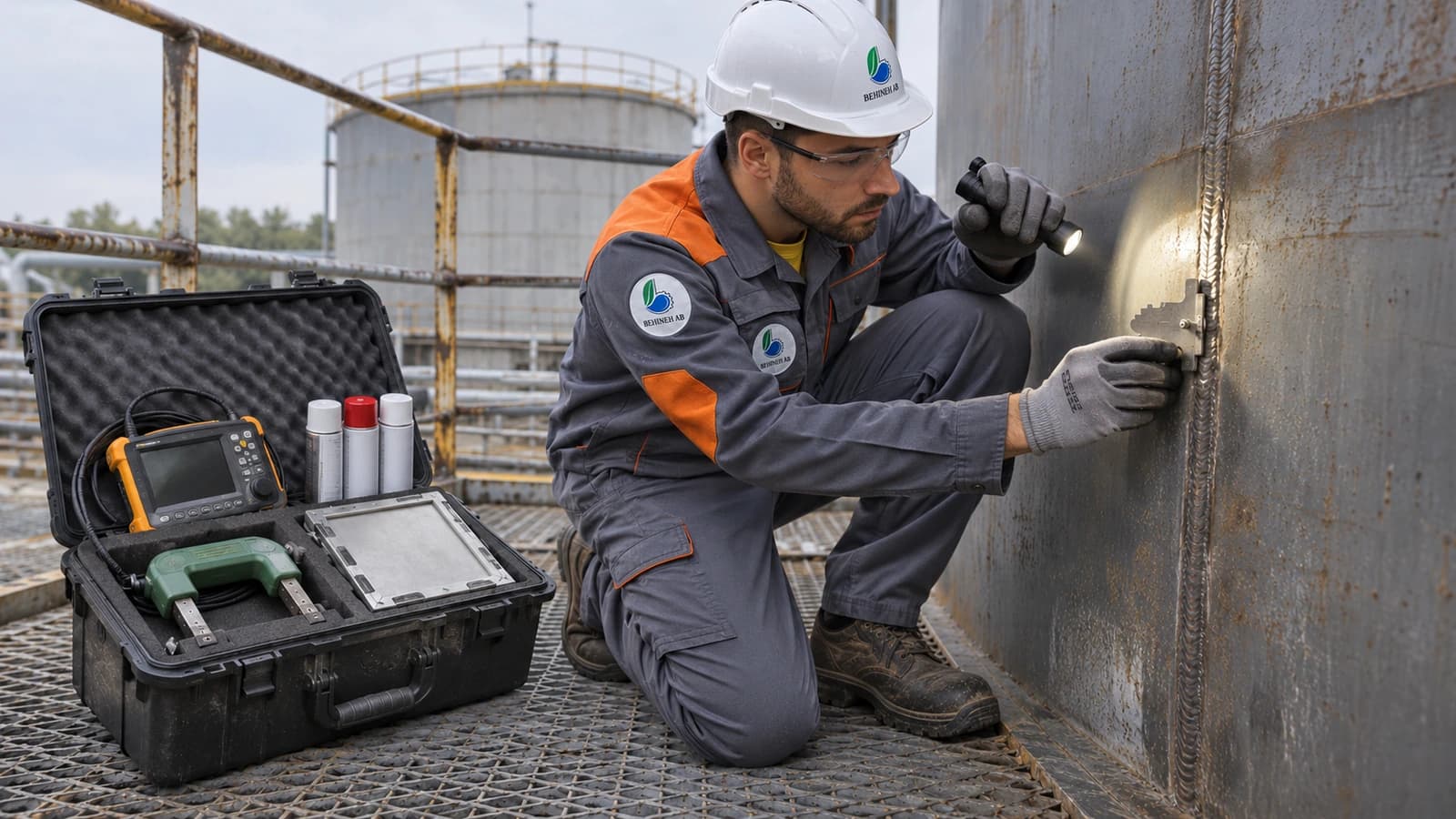
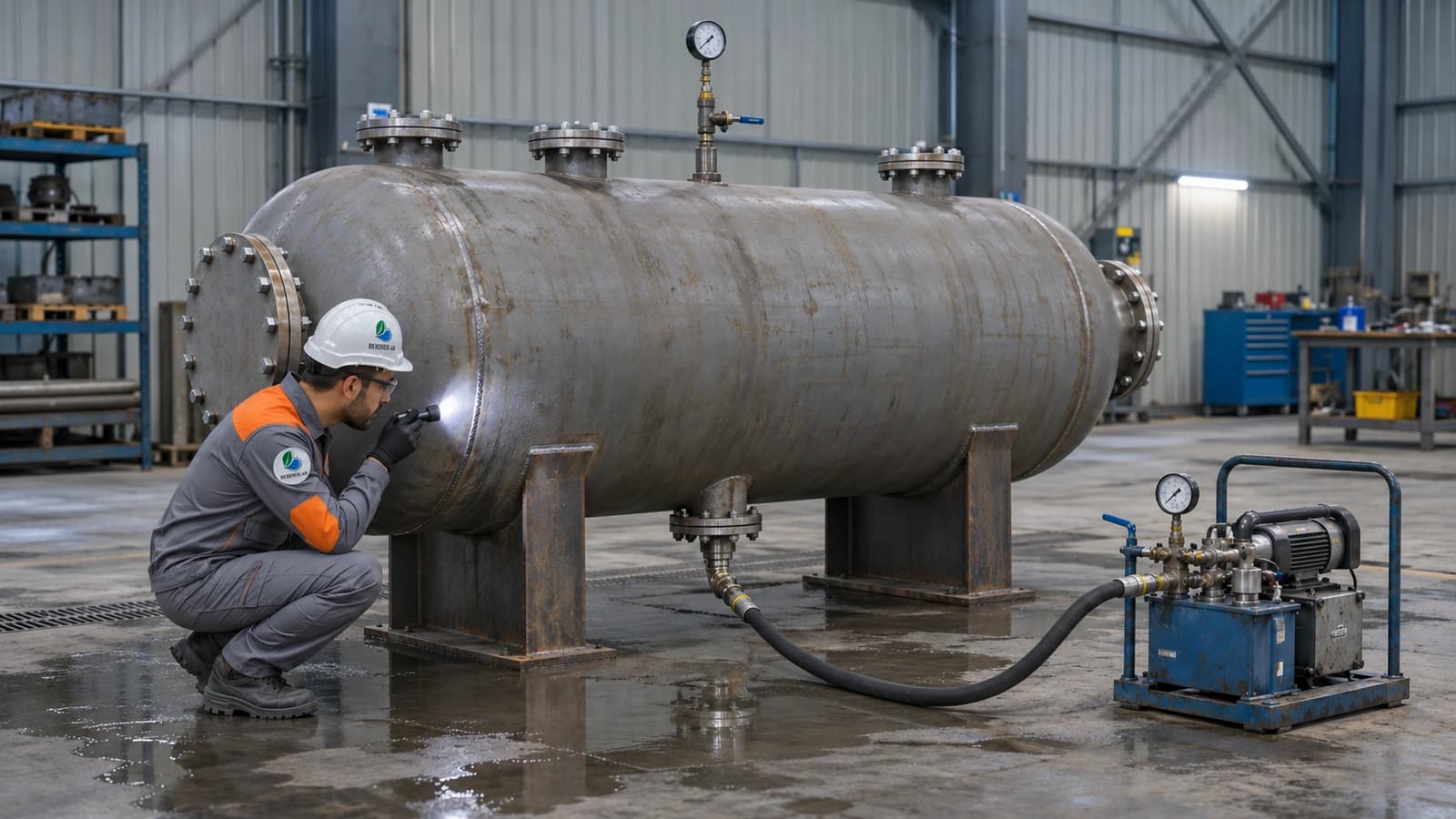
Design and fabrication of
food tanks hygienic and easy to clean!
Sanitary stainless steel, the right surface finish and full cleanability
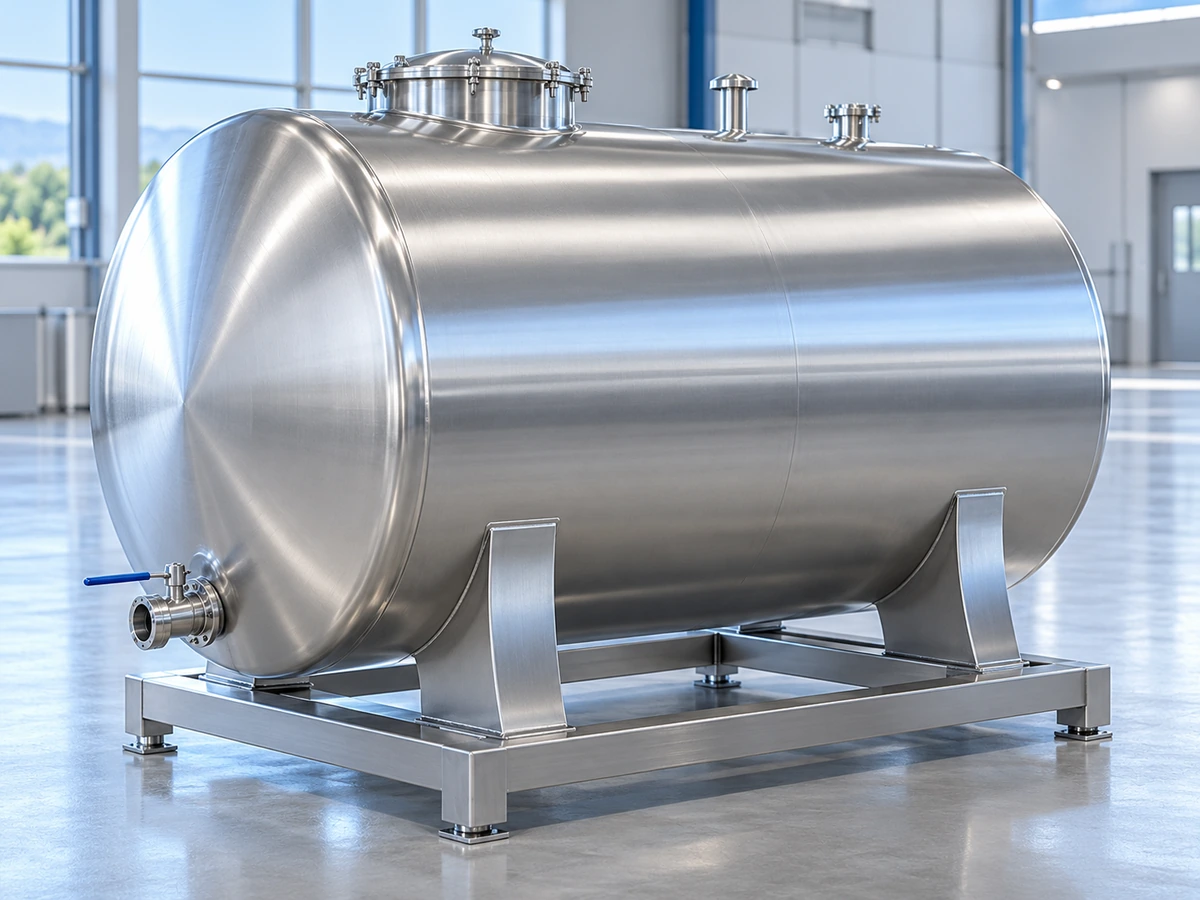
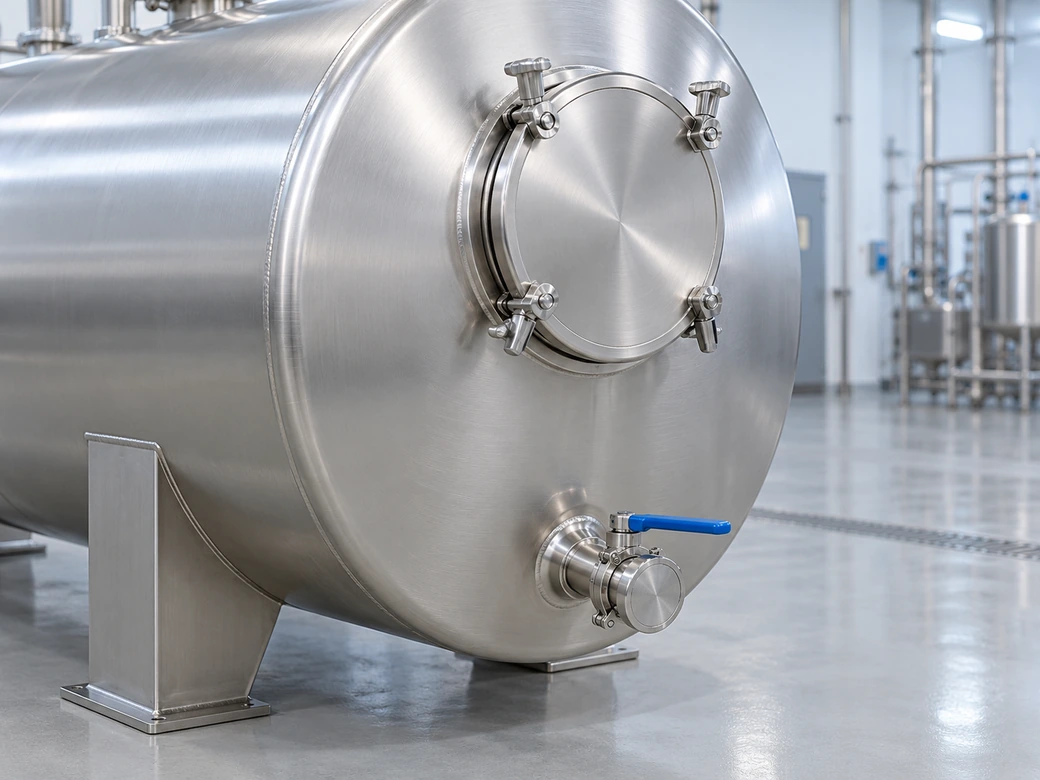
Unlike ordinary industrial tanks, food transport and storage tanks must meet strict hygiene requirements on top of mechanical strength: a shell of food-grade stainless steel (usually 304, or 316L for acidic or saltier products), a polished internal finish so product residue cannot build up, and sanitary fittings with no dead legs.
Key features
Technical details
Cleanability is one of the most important design criteria. Modern food tanks are usually designed for CIP (clean-in-place), so the inside can be fully washed with water and sanitisers without opening the tank.
Behineh Ab designs and builds food transport tanks for the product (milk, edible oil, juice, syrup and so on), the storage temperature and the cleaning method each client needs.
Technical specifications
304 or 316L stainless: which suits your product?
304 stainless is enough for most neutral foods such as water, plain syrups and many dairy products, and it costs less. 316L, thanks to its molybdenum content, resists more acidic products (such as some juices) and high-salt environments better and lasts longer.
A wrong choice here usually shows up after a few years as surface rust or a slight change in product taste, so the product's pH and composition must be checked carefully before choosing the material.
CIP and why it matters for tank hygiene
CIP (clean-in-place) lets a tank be fully washed with cycles of water, detergents and sanitisers without opening it or sending people inside. It cuts production downtime and removes the risk of microbial contamination from manual cleaning.
Designing properly for CIP means removing sharp corners and dead spaces inside the tank, sloping the bottom so cleaning liquid drains completely, and choosing spray nozzles to suit the tank's height and diameter.
Choosing between a fixed tank and a road tanker
A fixed tank is designed for storage at the production or packaging site and is usually fitted with extras such as an agitator or temperature system. A mobile tank (mounted on a truck) must, besides hygiene requirements, withstand road-transport stresses and have baffles to control liquid surge while moving.
Applications and industries
Photo gallery
Food transport tank gallery
Frequently asked questions
Request a quote
Food transport tank
Enter the pressure, temperature and fluid; our engineers send a technical proposal and price within 24 working hours.
- Written technical reply with a proposed concept drawing
- Site visit in Tehran and surroundings
- 24-month warranty on fabrication and welding