Heat exchanger design and fabrication
Design and Manufacturing of Heat Exchangers
A heat exchanger is equipment that transfers thermal energy between two fluids without mixing them directly; this guide focuses on the shell and tube exchanger used in heavy industry.
A successful design combines thermal-hydraulic calculations (Q, LMTD, U, pressure drop) with ASME/TEMA mechanics and controlled fabrication.
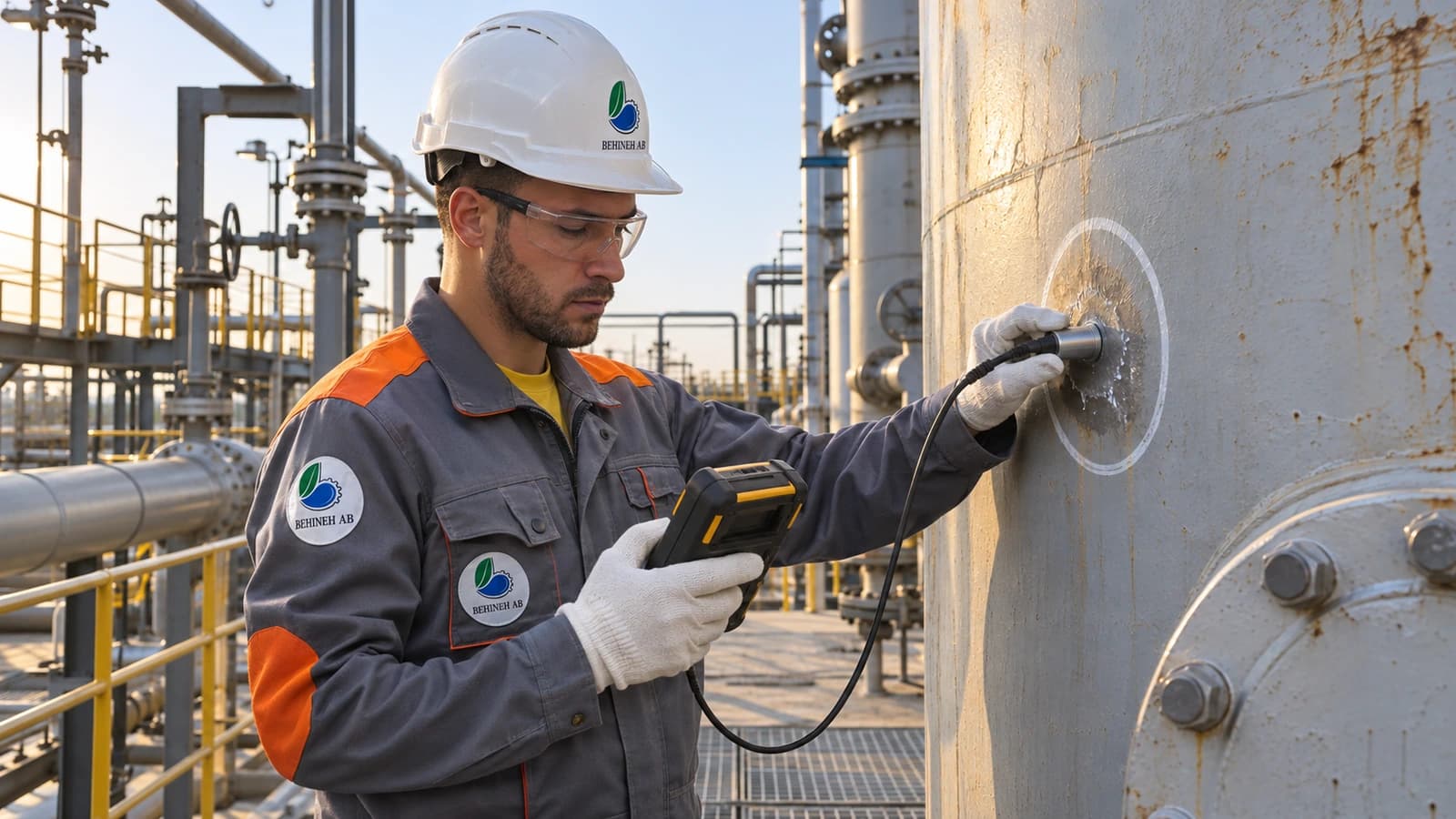
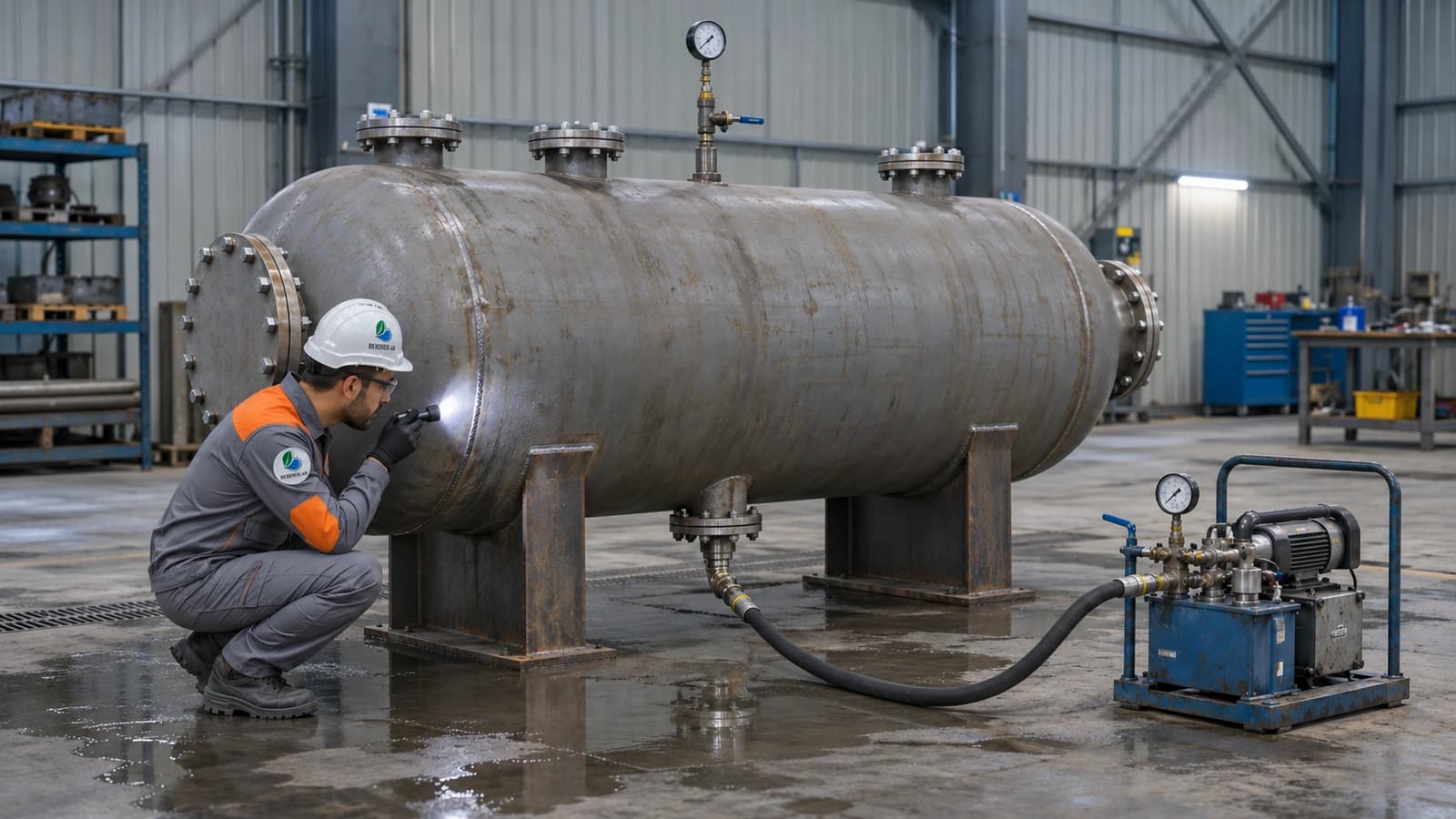
Behineh Ab designs and builds exchangers to suit the process datasheet and delivers them with the calculation documents, NDT records and hydrostatic test.
- What is the difference between shell and tube and plate exchangers?
- Shell and tube is better for high pressure/temperature and fouling fluids; a plate exchanger is more compact and is used for clean fluids and limited space.
- Which standard is an exchanger designed to?
- TEMA is usually used for the shell and tube geometry and ASME Section VIII for the pressure and fabrication requirements.
- What information is needed for a price enquiry?
- The flow rate, temperature and pressure on both sides, the fluid type, the allowable pressure drop and any installation space limits are enough to prepare an initial technical proposal.