Grade AISI 304 · equivalent to 1.4301

Design and fabrication of
304 stainless tanks economical and to standard!

Grade 304 stainless steel tanks

304 stainless steel (European equivalent 1.4301) is the most common stainless grade, with roughly 18% chromium and 8% nickel. This composition gives good resistance to atmospheric corrosion and most foods, making it an economical choice for most general industrial and food applications.
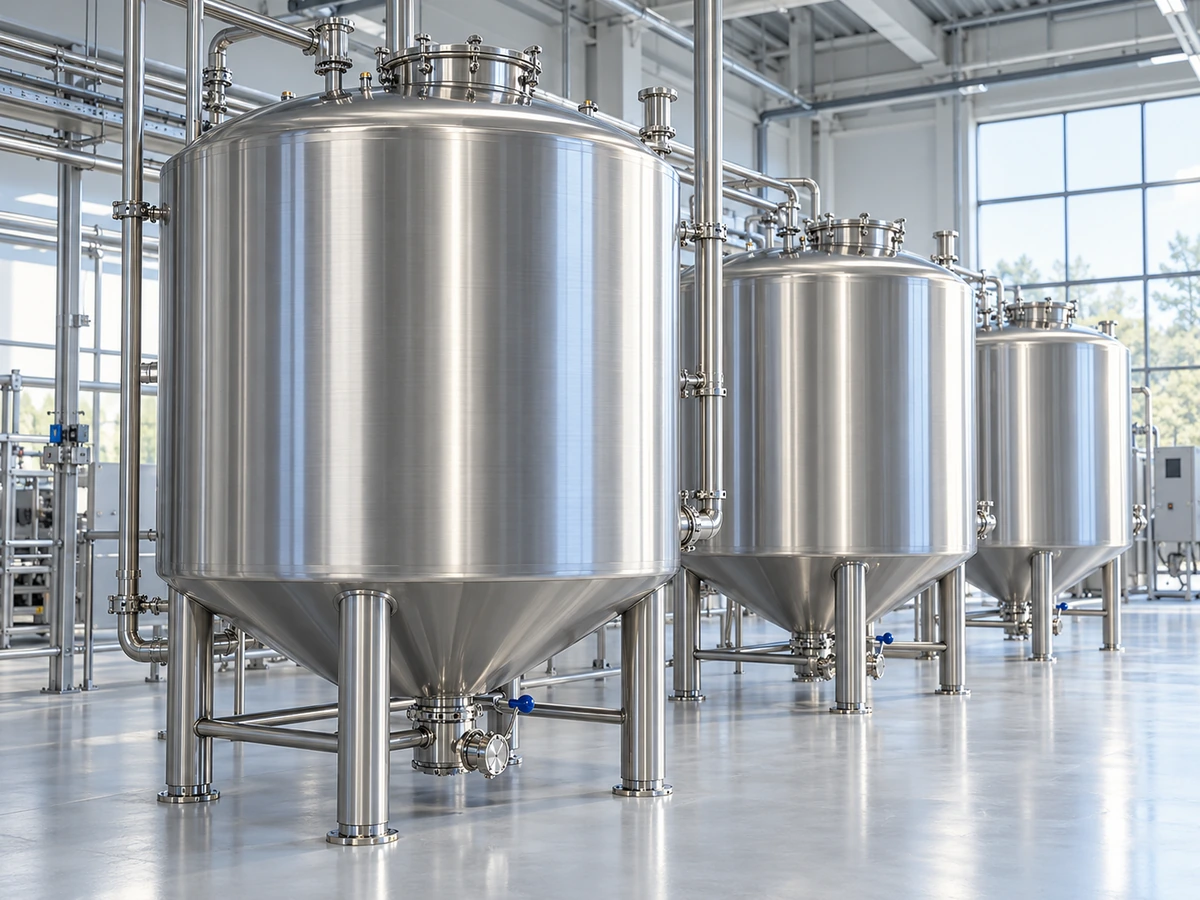
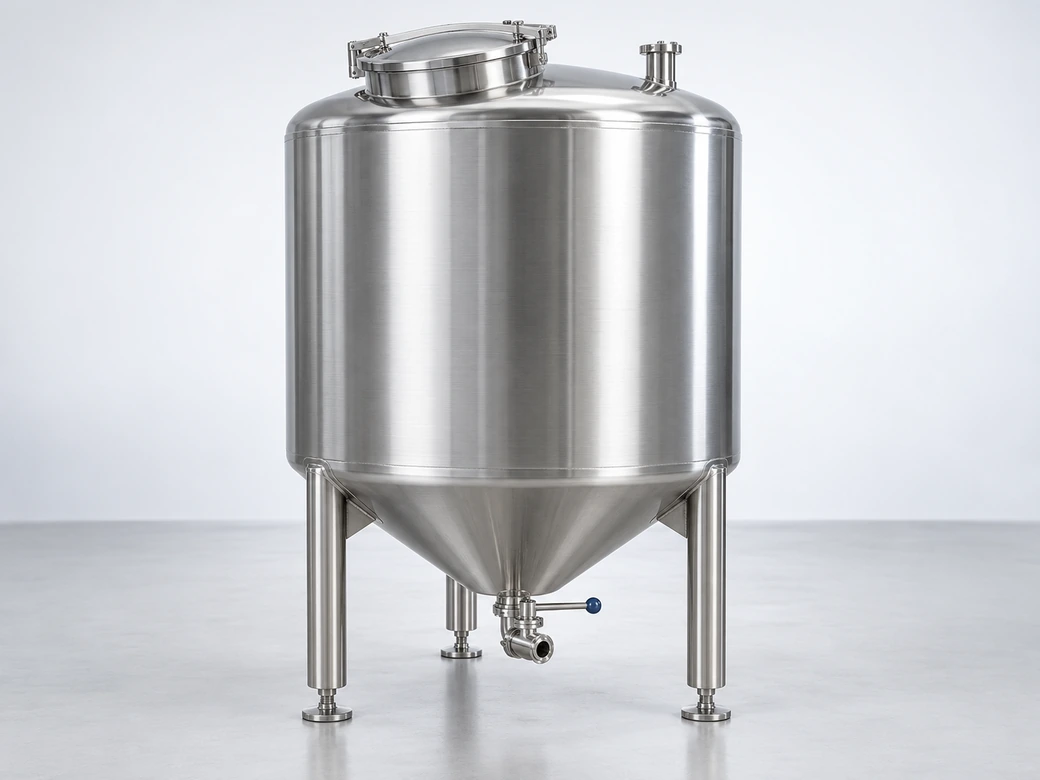
304 stainless steel tank built by Behineh Ab
Grade
AISI 304 (equivalent to 1.4301)
Main composition
About 18% chromium, 8% nickel
Corrosion resistance
Suited to general and food environments
Welding
TIG weldable

Key features

Chromium-nickel composition with corrosion resistance for general use
Lower cost than grade 316
Good weldability and formability
Suited to most general industrial and food uses
Plate available in many thicknesses
Good heat resistance up to about 800 °C
Horizontal 304 stainless tank with process connections

Technical details

Tanks made of 304 are suitable for weak acids and short contact, but in long contact with chlorides or strong acids their resistance is lower than grade 316. The grade welds and forms well and is available in many thicknesses.

Behineh Ab designs and builds 304 stainless tanks in vertical, horizontal, agitated and double-wall versions to suit each project.

Technical specifications

Grade
AISI 304 (equivalent to 1.4301)
Main composition
About 18% chromium, 8% nickel
Corrosion resistance
Suited to general and food environments
Welding
TIG weldable
Price range
More economical than grade 316

When is 304 stainless the right choice?

304 stainless is the economical, standard option for drinking water, neutral to slightly acidic food fluids and many general industrial uses without high chlorides or strong acids. If the fluid contains high chlorides, or the site is coastal, or the process is a sensitive pharmaceutical or chemical one, grade 316 is usually the safer choice.

Welding and surface finishing of 304 stainless tanks

This grade is usually welded by TIG so the weld root is clean and controlled. After welding, polishing or passivating the surface is recommended to restore the protective chromium-oxide layer and keep corrosion resistance — especially in the food industry, where surface hygiene matters.

Applications and industries

Food and beverage industries
Industrial kitchens
Industrial kitchens
General hygienic equipment
Storage of water and neutral fluids
Dairy industry
Dairy industry
Industrial kitchen equipment

Frequently asked questions

Request a quote
Stainless steel 304 tanks

Enter the pressure, temperature and fluid; our engineers send a technical proposal and price within 24 working hours.

  • Written technical reply with a proposed concept drawing
  • Site visit in Tehran and surroundings
  • 24-month warranty on fabrication and welding
Call our engineering office
+98 21 4686 6276

Your details are confidential and used only to prepare a technical proposal.

All articles
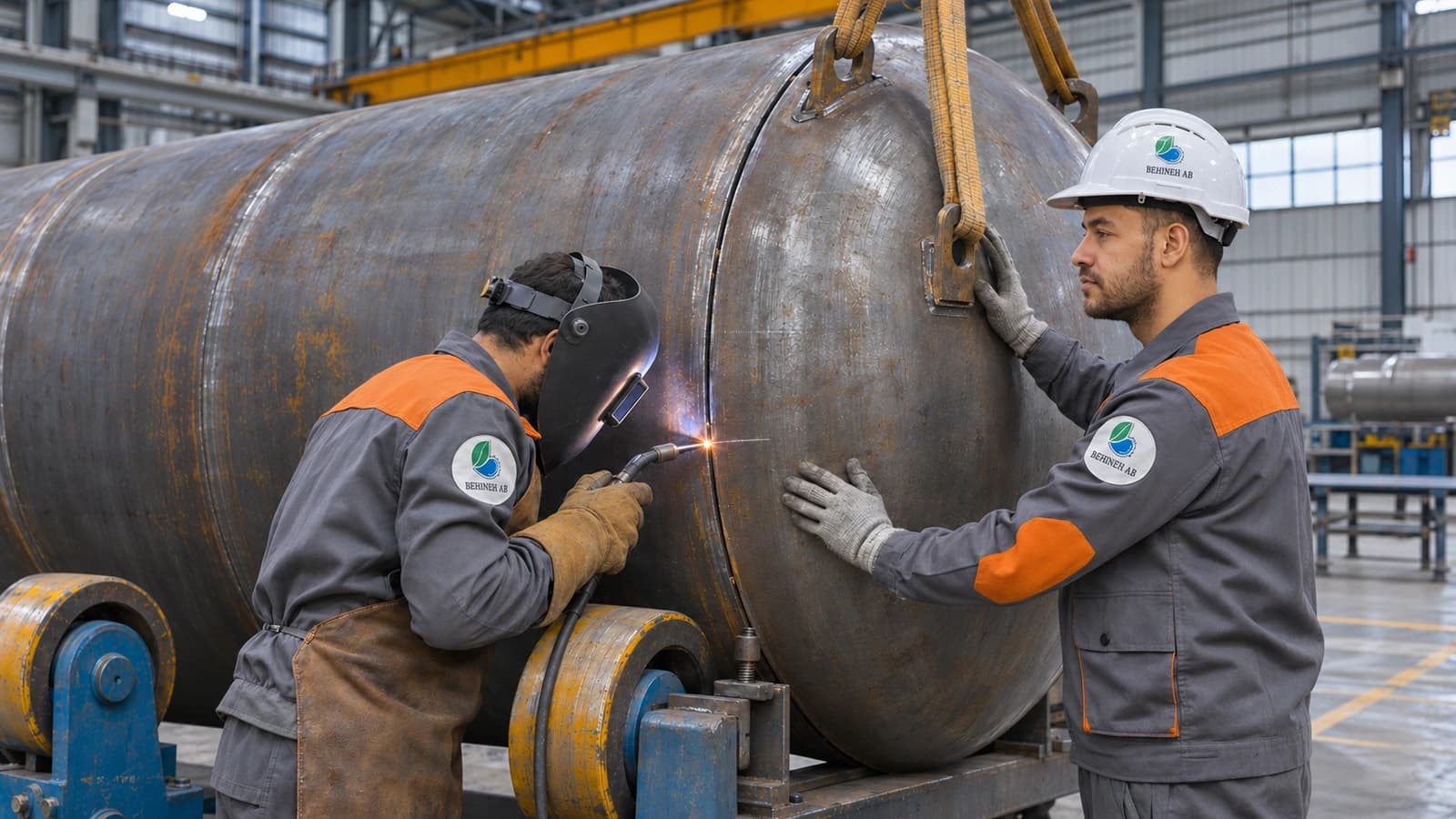
  • Assembling the shell and head of a steel tank in the Behineh Ab tank fabrication workshop

    Steel Tank Manufacturing Steps, from Order to Delivery

    The steps of building a steel tank, from the data sheet to testing and dispatch. A 20,000-litre tank takes about three weeks; here is what that time is spent on.

    Read more
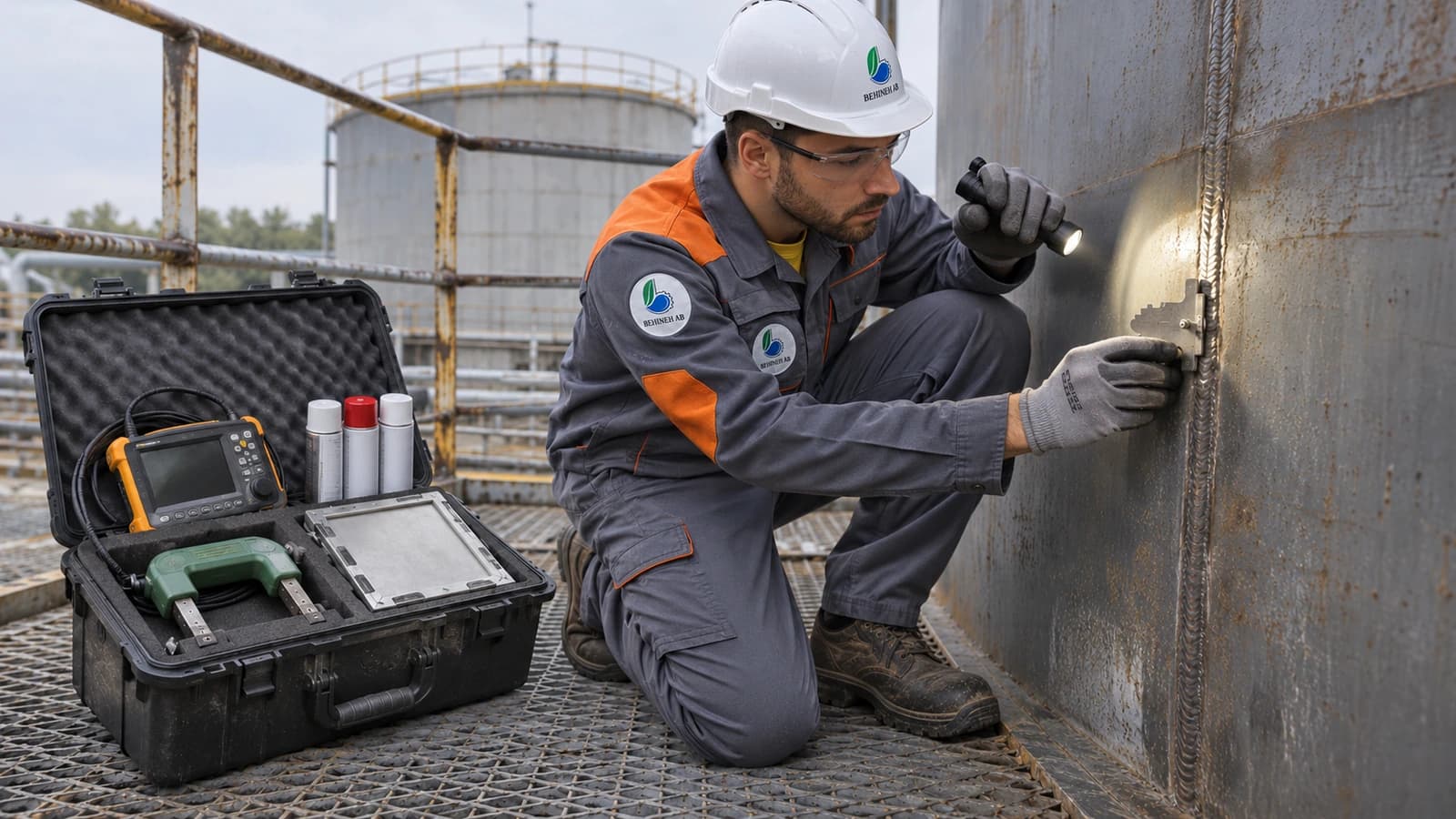
  • Inspector carrying out a non-destructive test on a steel tank shell weld

    Tank Tests: What Defect Does Each Test Find?

    Hydrotest, radiography, ultrasonic, liquid penetrant, magnetic particle and vacuum box. Each finds a particular defect and none can replace another. Here we compare them.

    Read more
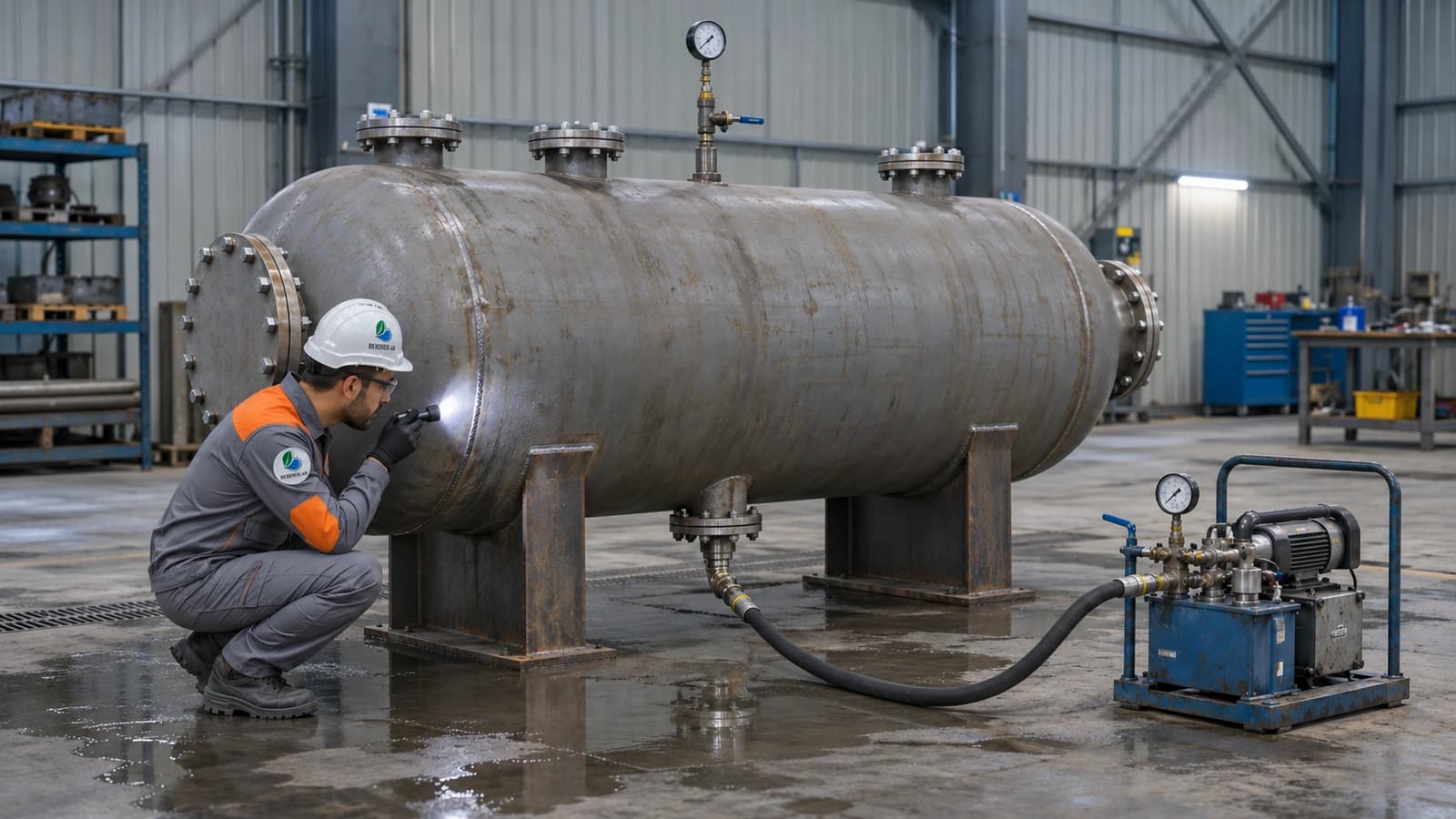
  • Pressure vessel under hydrostatic test with a pressure gauge in the Behineh Ab workshop

    Tank Hydrostatic Test, Step by Step

    The hydrotest is a tank's final exam before delivery, and we carry it out in our own factory. The test pressure, the work before filling, and the mistake that can ruin a tank while it is being drained.

    Read more
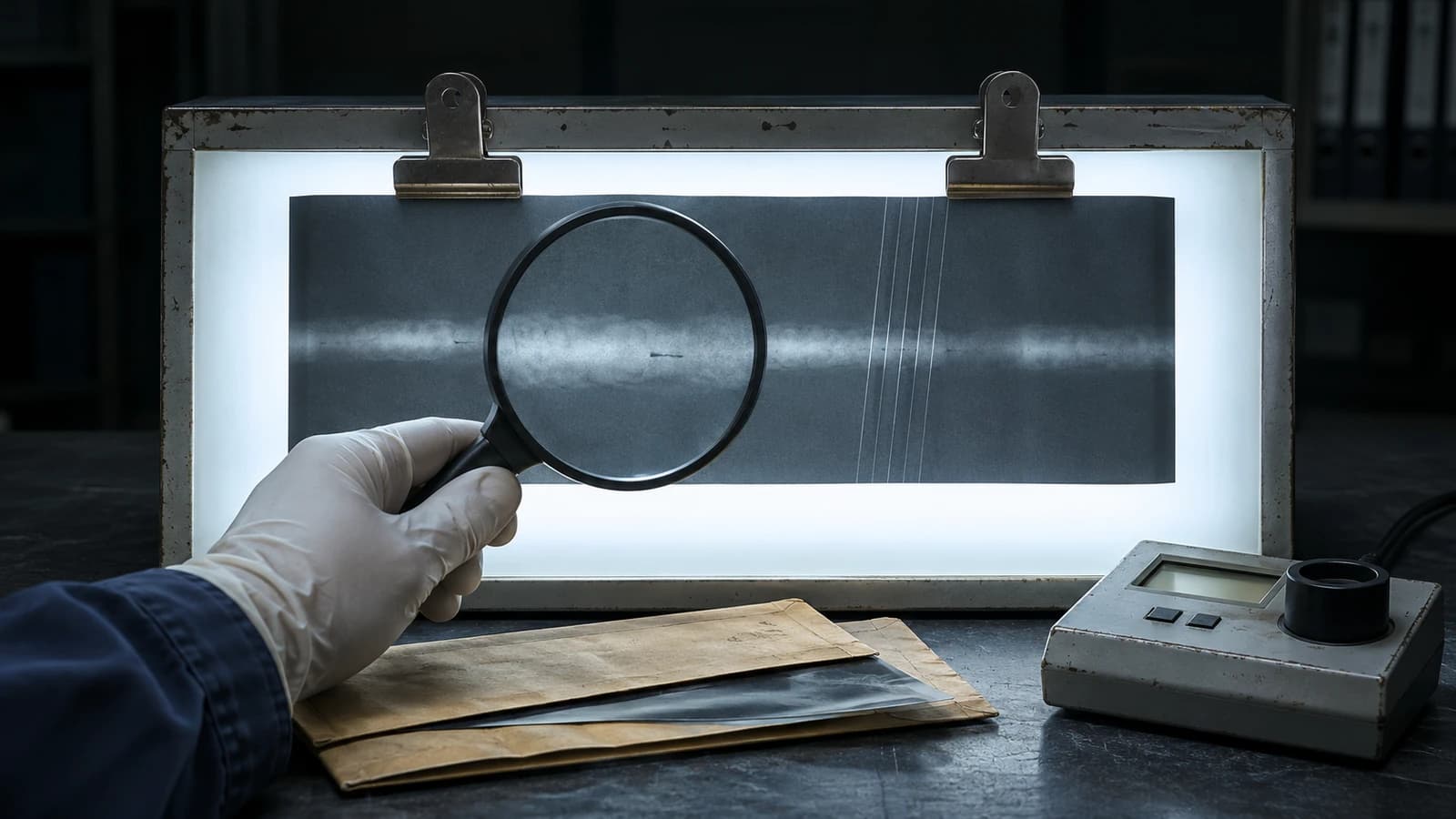
  • Radiography film of a tank shell weld on a film viewer

    Weld Radiography: What Percentage of Seams Must Be Tested?

    The radiography percentage sets the joint efficiency, and the joint efficiency sets the plate thickness. In other words, this decision directly affects the tank's weight and price.

    Read more