Edible and industrial oil · safe loading

Design and fabrication of
oil transport tanks edible and industrial!

Technical features of edible and industrial oil transport tanks

Oil transport tanks fall into two broad groups: edible oil, which has the same hygiene requirements as other foods, and industrial oil, where the design focuses more on chemical resistance and mechanical stability. This difference directly affects the choice of shell material and internal finish.
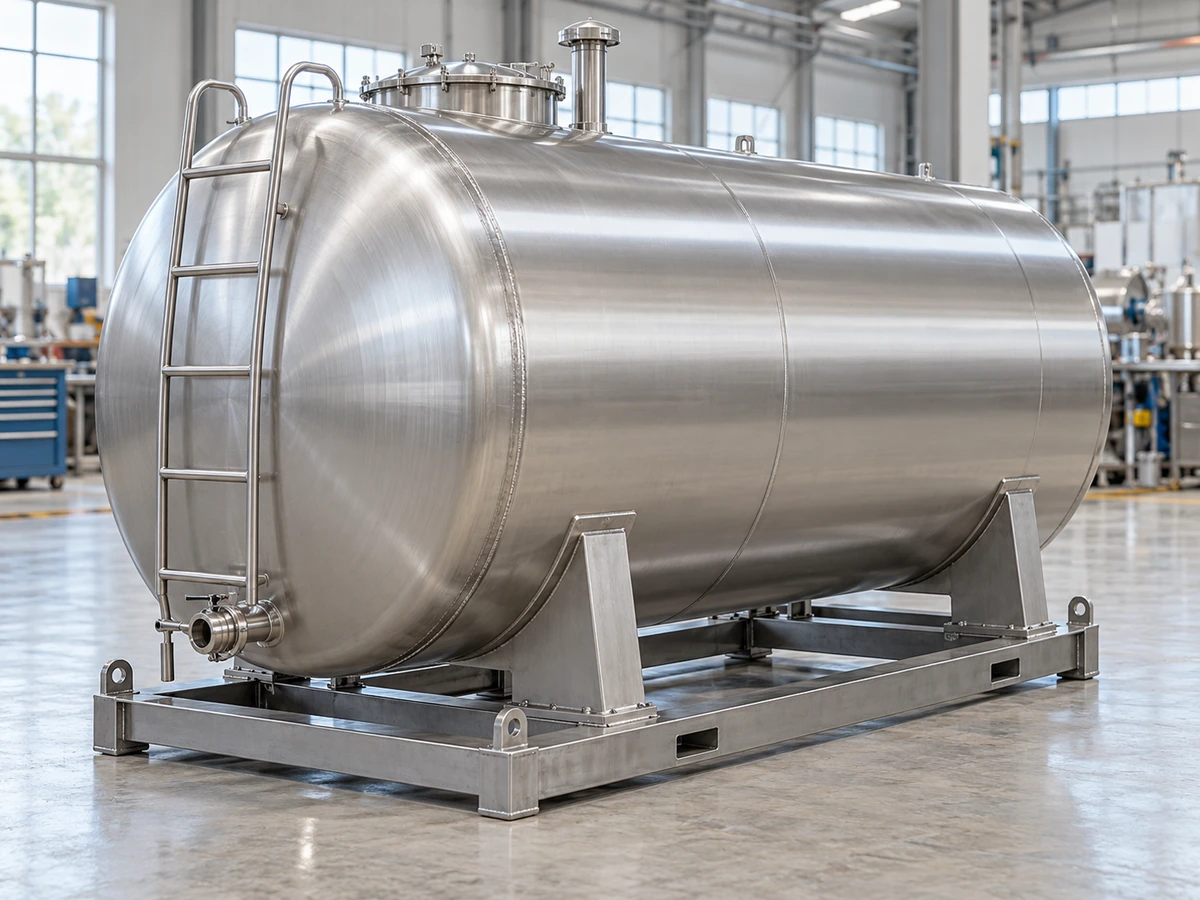
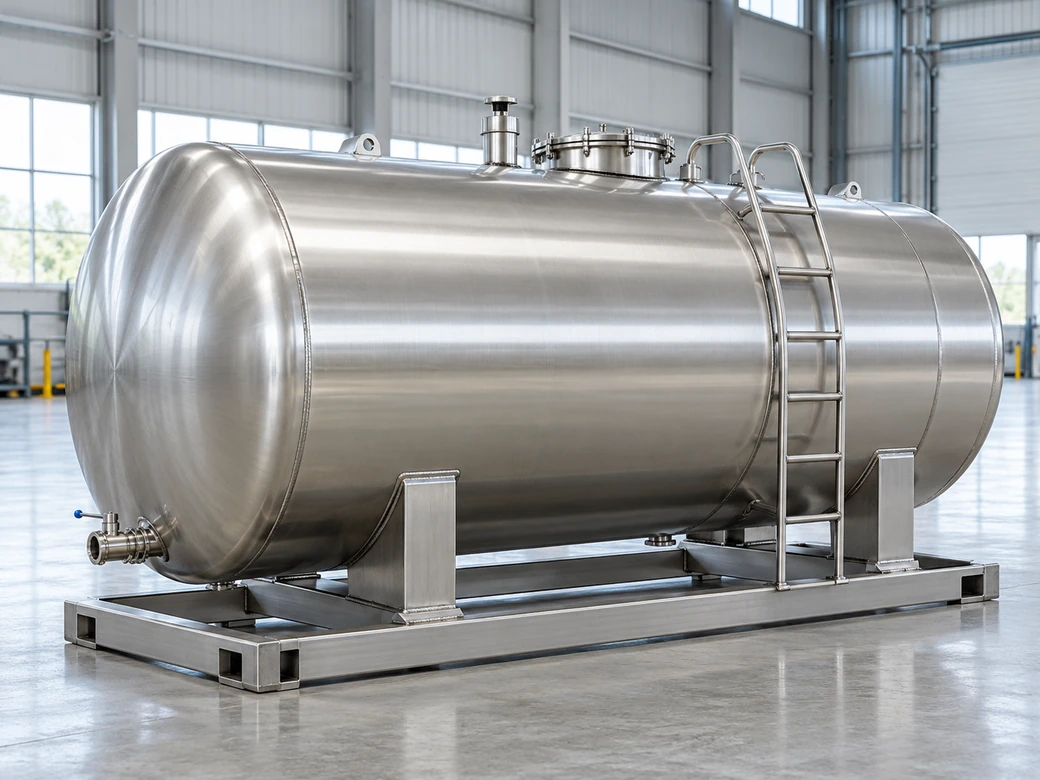
Oil transport tank built by Behineh Ab
Shell material (edible oil)
Food-grade stainless 304
Shell material (industrial oil)
Carbon steel or stainless, by oil
Surface finish
Polished for edible products
Accessories
Inspection hatch, drain valve, loading connection

Key features

Separate designs for edible and industrial oil
Sanitary stainless steel for edible products
Internal finish matched to the oil
Safe loading and unloading equipment
Optional insulation for viscous oils
Inspection hatch and full-drain valve at the bottom
Sanitary stainless edible oil transport tank

Technical details

For edible oil, food-grade stainless steel with a polished finish and sanitary fittings is required to prevent any change in the oil's taste or colour. For industrial oils, depending on their chemistry, ordinary carbon steel can also be a good economical option.

Behineh Ab designs and builds oil transport tanks for the exact oil (edible or industrial), the load volume and the unloading method.

Technical specifications

Shell material (edible oil)
Food-grade stainless 304
Shell material (industrial oil)
Carbon steel or stainless, by oil
Surface finish
Polished for edible products
Accessories
Inspection hatch, drain valve, loading connection
Thermal insulation
Available for high-viscosity oils

Steel, plastic or IBC tank?

Alongside steel tanks (stainless or aluminium, for large volumes and pressure resistance) and plastic tanks (polyethylene or polypropylene, lighter and cheaper but less pressure-resistant), IBC tanks are a common third option for oil transport: a steel or plastic container with standard valves and caps that makes filling and emptying on trucks and trailers easy, available in adjustable sizes.

Edible vs. industrial oil: the design difference

Because edible oil enters the human food chain directly, it needs the same hygiene requirements as other foods: stainless steel, a polished finish and fittings with no dead legs. Industrial oils and lubricants do not have this restriction, but the tank must be compatible with the oil's exact chemistry (additives, acidity).

As a result, an industrial oil tank usually costs less to build than an edible-oil tank of the same volume, since ordinary carbon steel is often enough.

Safe loading and unloading equipment

Oils have different viscosities depending on temperature, which affects the design of the loading nozzle, the diameter of the discharge pipe and the slope of the tank bottom. For oils that become very viscous at low temperatures, adding insulation or even surface heating can noticeably speed up unloading.

Applications and industries

Edible oil extraction and refining plants
Vegetable oil packaging units
Industrial oil and lubricant industries
Food transport companies
Oil refineries
Oil refineries
Motor and industrial oil production units

Frequently asked questions

Request a quote
Oil tank fabrication

Enter the pressure, temperature and fluid; our engineers send a technical proposal and price within 24 working hours.

  • Written technical reply with a proposed concept drawing
  • Site visit in Tehran and surroundings
  • 24-month warranty on fabrication and welding
Call our engineering office
+98 21 4686 6276

Your details are confidential and used only to prepare a technical proposal.

All articles
  • Assembling the shell and head of a steel tank in the Behineh Ab tank fabrication workshop

    Steel Tank Manufacturing Steps, from Order to Delivery

    The steps of building a steel tank, from the data sheet to testing and dispatch. A 20,000-litre tank takes about three weeks; here is what that time is spent on.

    Read more
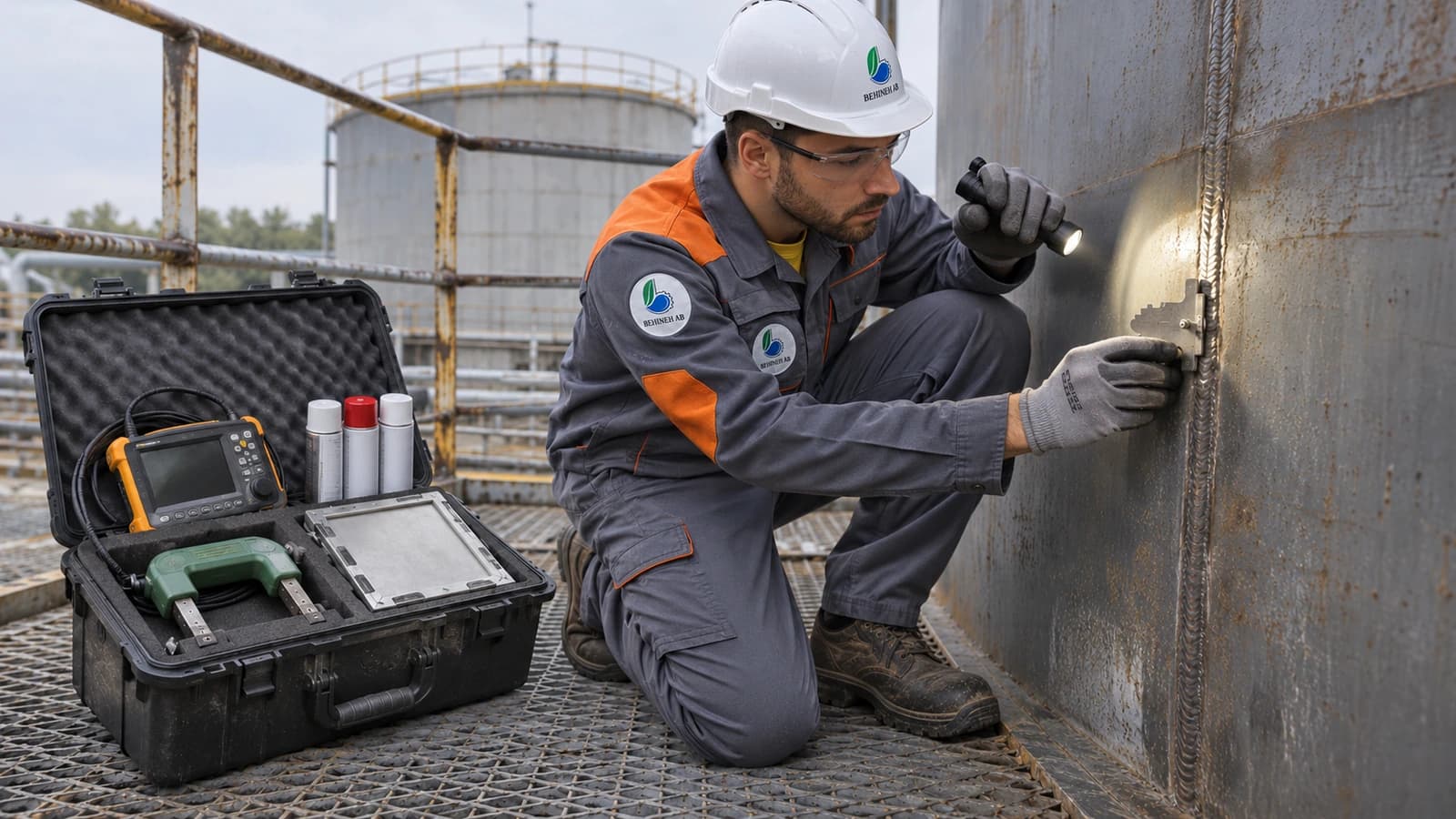
  • Inspector carrying out a non-destructive test on a steel tank shell weld

    Tank Tests: What Defect Does Each Test Find?

    Hydrotest, radiography, ultrasonic, liquid penetrant, magnetic particle and vacuum box. Each finds a particular defect and none can replace another. Here we compare them.

    Read more
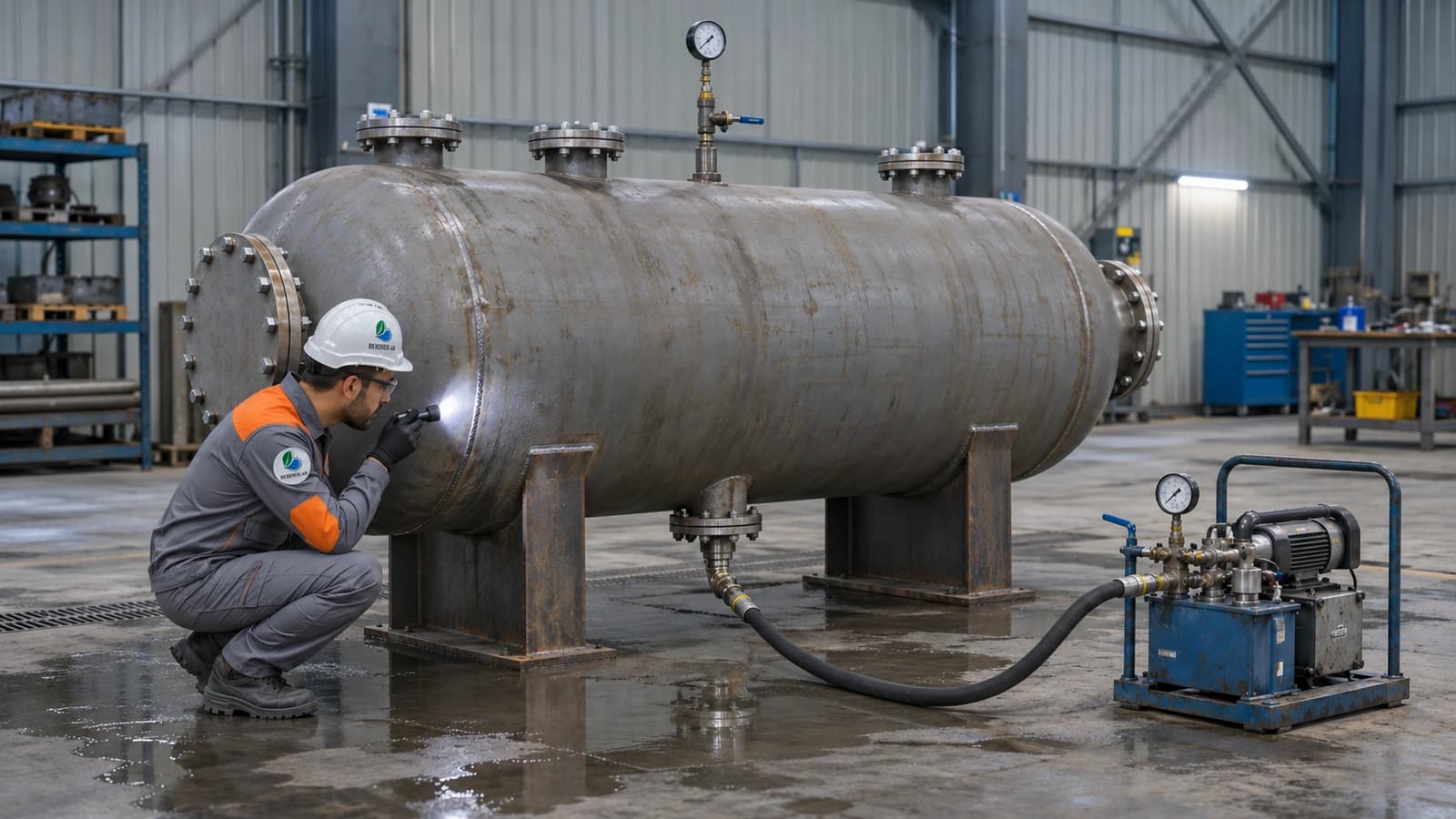
  • Pressure vessel under hydrostatic test with a pressure gauge in the Behineh Ab workshop

    Tank Hydrostatic Test, Step by Step

    The hydrotest is a tank's final exam before delivery, and we carry it out in our own factory. The test pressure, the work before filling, and the mistake that can ruin a tank while it is being drained.

    Read more
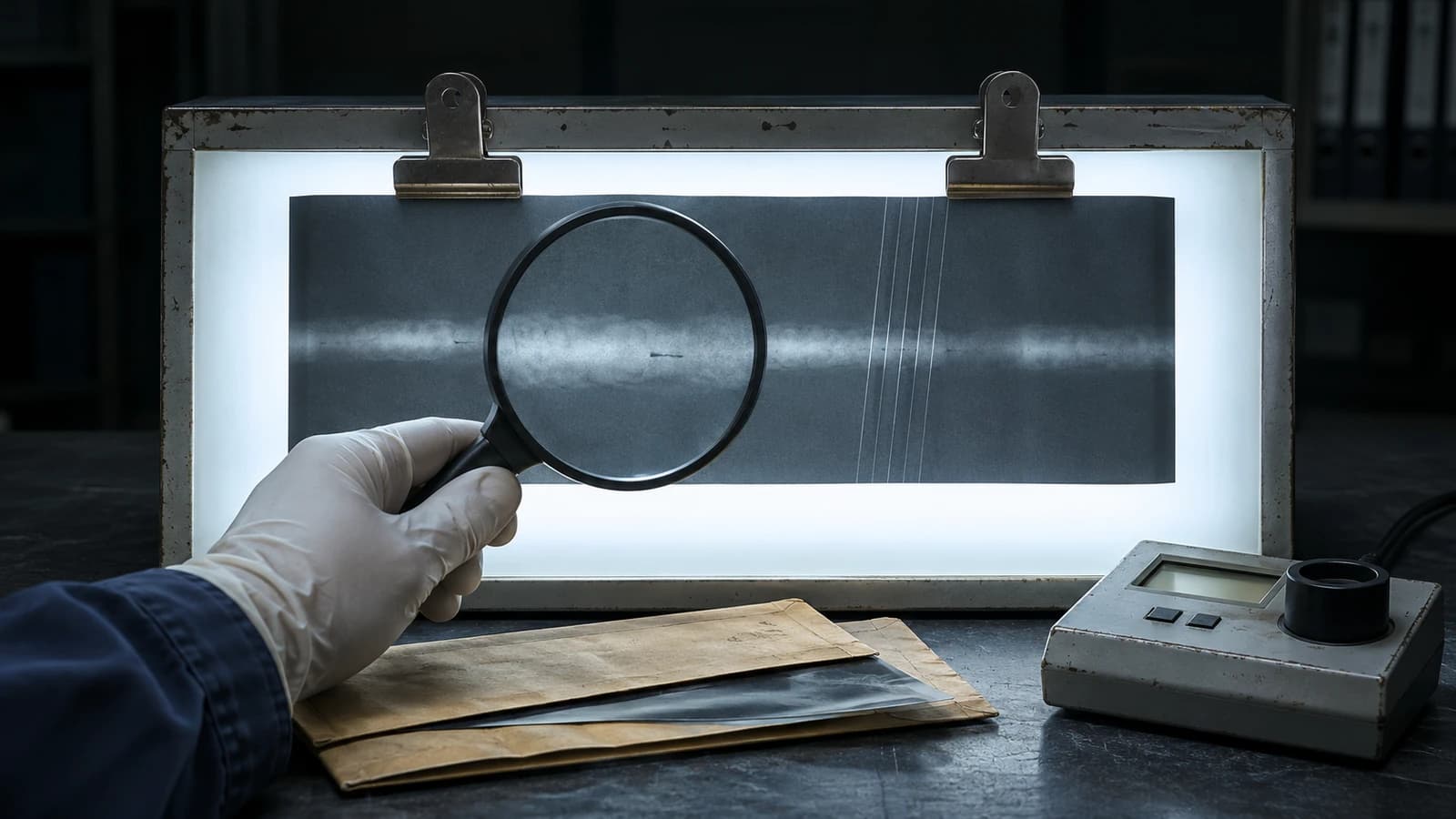
  • Radiography film of a tank shell weld on a film viewer

    Weld Radiography: What Percentage of Seams Must Be Tested?

    The radiography percentage sets the joint efficiency, and the joint efficiency sets the plate thickness. In other words, this decision directly affects the tank's weight and price.

    Read more