Design and construction of
industrial sodium methoxide plants!
Engineering, equipment supply and construction guide for an industrial NaOCH₃ production unit
Sodium methoxide is a key catalyst for biodiesel and a reagent for fine chemicals; it decomposes with air moisture, and the unit's design revolves around water removal, nitrogen blanketing and methanol explosion safety.
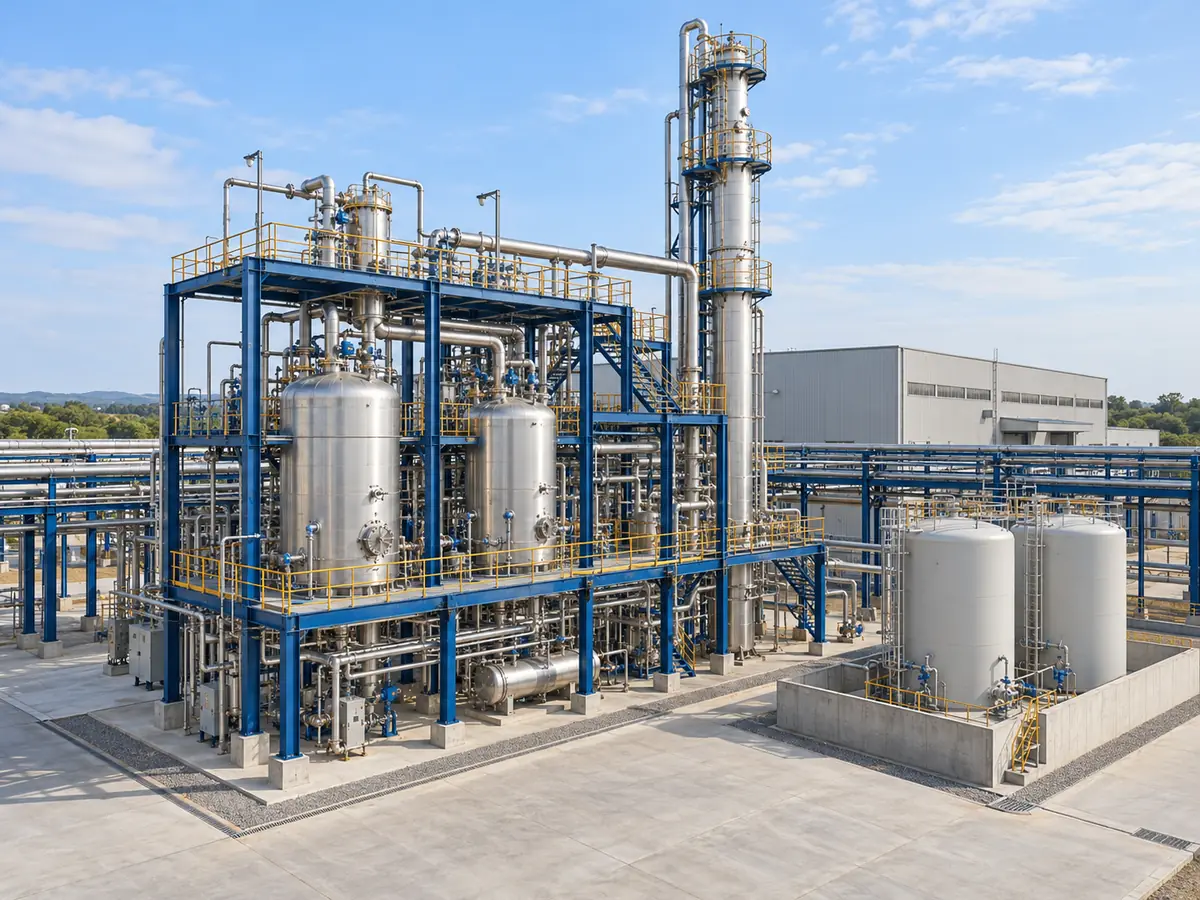
Design and construction of plants
for industrial sodium methoxide production · Behineh Ab Engineering
Sodium methoxide (NaOCH₃) is the conjugate base of methanol and is supplied as a >95% powder or a 25–30% solution in methanol. Both forms decompose with air moisture into NaOH and methanol; this property is the focus of design and operation.
Its main use is as a homogeneous catalyst for biodiesel transesterification (FAME) — it produces no water on dissolving and causes less saponification than NaOH/KOH. It is also used in pharmaceuticals, fine chemicals, pesticides and polymer additives. This article covers the path from technology to equipment, Ex, HSE, balances, welding and pre-commissioning.
2. Process routes
Very high purity, suitable for pharmaceuticals; the cost and hazard of handling sodium are high. Semi-batch feeding of molten/chopped sodium, a cooling jacket, H₂ vented through an arrester. Limited capacity.
The dominant bulk technology for biodiesel. The equilibrium is shifted towards the product with reactive distillation and the methanol–water azeotrope (Le Chatelier). The challenge: bringing product moisture down to the permitted limit.
25–30% solution: concentration adjusted after water removal; temperature controlled to prevent precipitation. Powder: crystallisation + vacuum conical dryer under dry N₂ — the most critical part for safety (moisture, oxidants, friction).
3. Design of the main equipment
Half-pipe jacket or coil for heat removal and to manage loss of cooling / thermal runaway. Blanketing with dry N₂ at a dew point usually <−40 °C, breather valve and molecular sieve. Agitator designed to prevent hot spots.
Reactive distillation tower with the three-component MeOH–H₂O–NaOCH₃ VLE. Vacuum/cooling crystalliser with supersaturation control for uniform particle size.
Two-stage condenser (water + chilled fluid). Monitoring of water in the returned methanol by online GC/NIR; sometimes a side purification column.
Mass balance of the caustic route
The reaction is an equilibrium; actual conversion comes from pilot data, not from complete stoichiometry:
For every kilomole of NaOH, one kilomole of water is produced and must be removed by azeotropic distillation. The feed tray location, reflux and reboiler temperature (pressure limited to prevent decomposition) are optimised by sensitivity analysis in Aspen/HYSYS for minimum/nominal/maximum capacity. Enthalpy of the sodium route ≈185 kJ/mol Na; H₂ goes through a flame arrester to the flare or is diluted with N₂.
4. Materials and explosion protection
An alkaline-alcoholic medium with traces of moisture → pitting/SCC. The standard for contact: SS 316L; at hot/concentrated points sometimes Hastelloy C-276. Double mechanical seals with barrier fluid; PTFE or FFKM elastomers.
| Factor | Range / note | Design measure |
|---|---|---|
| Methanol vapour in air | ≈6–36% by volume · flash point ≈11–12 °C | Class I / ATEX zone |
| Electrical equipment | Zone 0/1 or Div 1 | Ex-i or Ex-d |
| N₂ network | All tanks and pump void spaces | Backup + low-pressure alarm |
5. Fabrication and automation
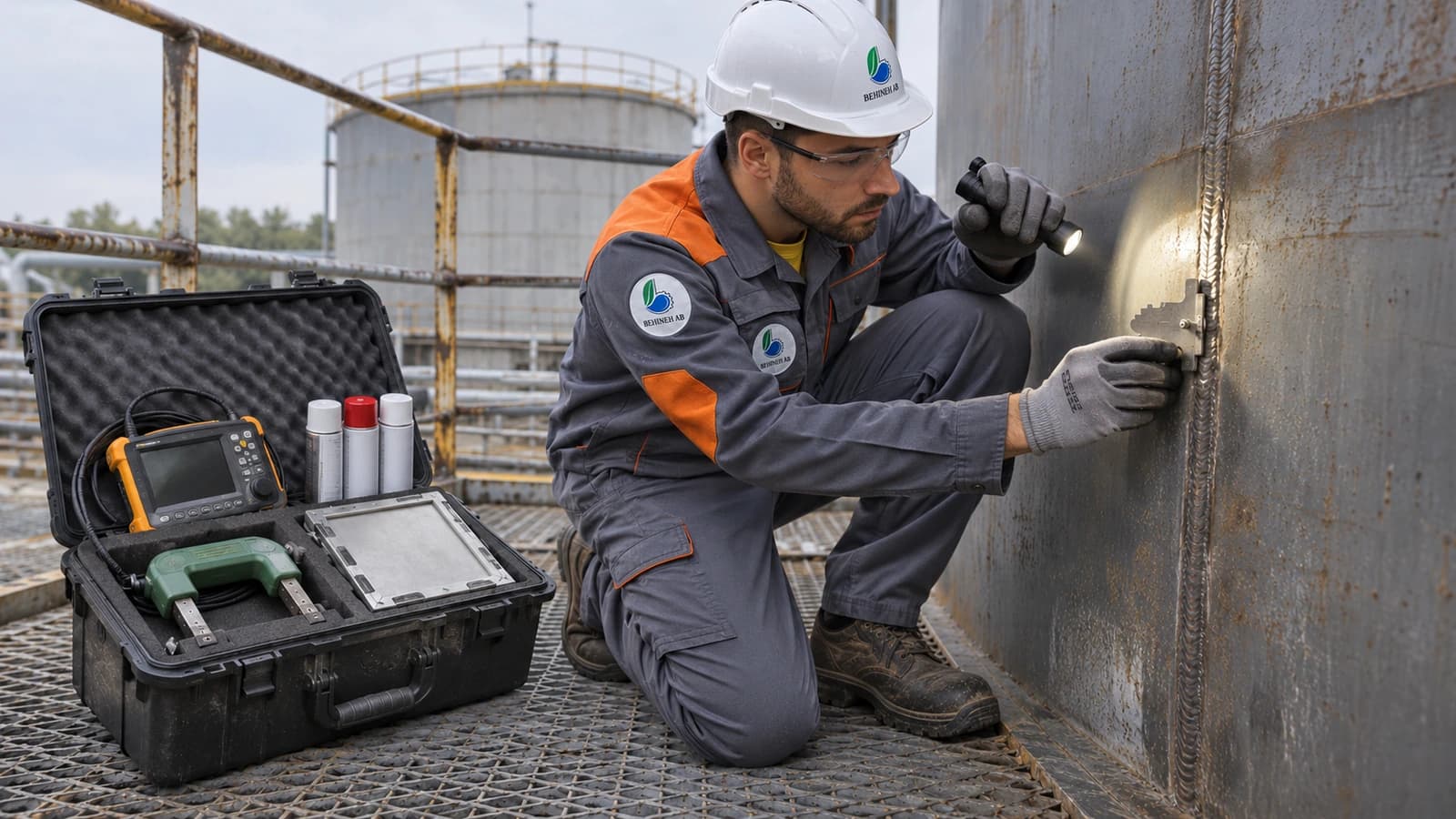
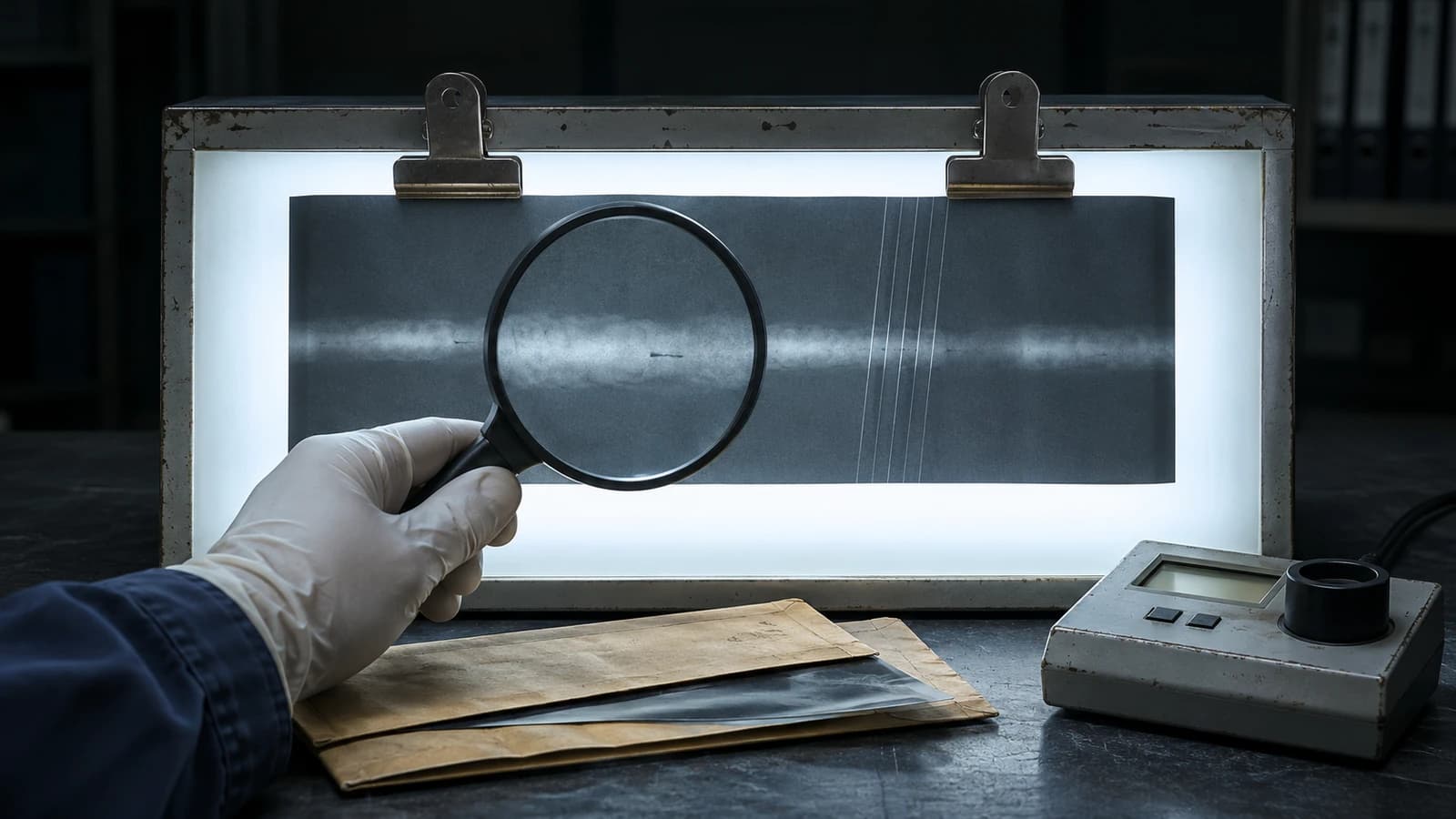
Reactor and pressure vessels to Section VIII Div 1/2; corrosion allowance usually 1.5–3 mm; welders qualified to Section IX; RT/UT and hydrotest.
PID control of reactor temperature, mass flow for the molar ratio, online moisture (KF/NIR), interlock to stop the feed on loss of N₂ or rising temperature. An independent SIS per IEC 61511 with SIL from HAZOP/LOPA.
6. HSE considerations
Methanol is toxic (TLV often ≈200 ppm TWA); NaOCH₃ causes severe chemical burns. LEV, fixed gas detectors, PPE, eyewash/shower. Water is forbidden for fire fighting in the presence of methoxide; AR-AFFF / dry chemical / CO₂; on the sodium route, Class D powder. "Water reactive" signage.
Neutralisation of the alkaline-methanolic wastewater, sometimes biological treatment/evaporation; a VRU at loading for VOCs.
Guide 1: water removal without loss of efficiency
Optimum feed tray, reflux without wasting energy, reboiler temperature limited through pressure, a refractometer/density meter on the water outlet with feedback to the DCS. Sensitivity analysis for three load scenarios is mandatory.
Guide 2: welding and dry installation
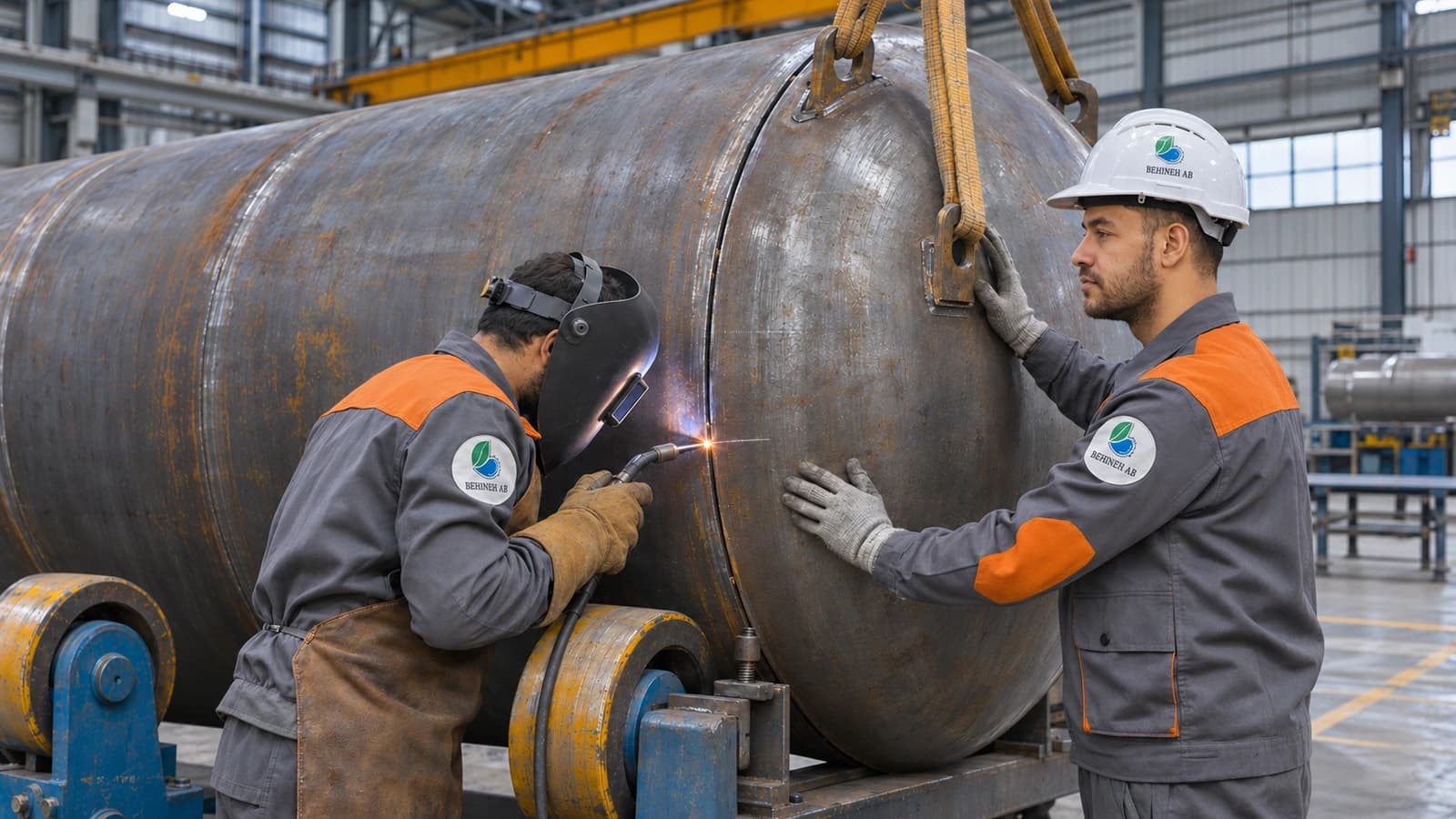
Clean the weld edges with an approved solvent and dry with N₂. Argon/N₂ back purge to O₂ <50 ppm before welding SS. Dry low-hydrogen electrodes. A welding sequence that limits residual stress; PWHT/passivation in critical cases. A minimum of flanges; spiral wound/PTFE gaskets and cross-pattern torque.
Guide 3: explosion-proof instruments
Ex-i for Zone 0/1; Ex-d for motors. Armoured cable and certified glands; barriers in the control room. Catalytic/IR detectors with an alarm at ≈20–25% LEL and trip at ≈50% LEL; connected directly to the SIS.
Guide 4: purging and pre-commissioning
Low-pressure purge → pressure-vacuum cycling for complex geometry → O₂ usually <1–2% and dew point <−40 °C → positive pressure maintained until materials are introduced.
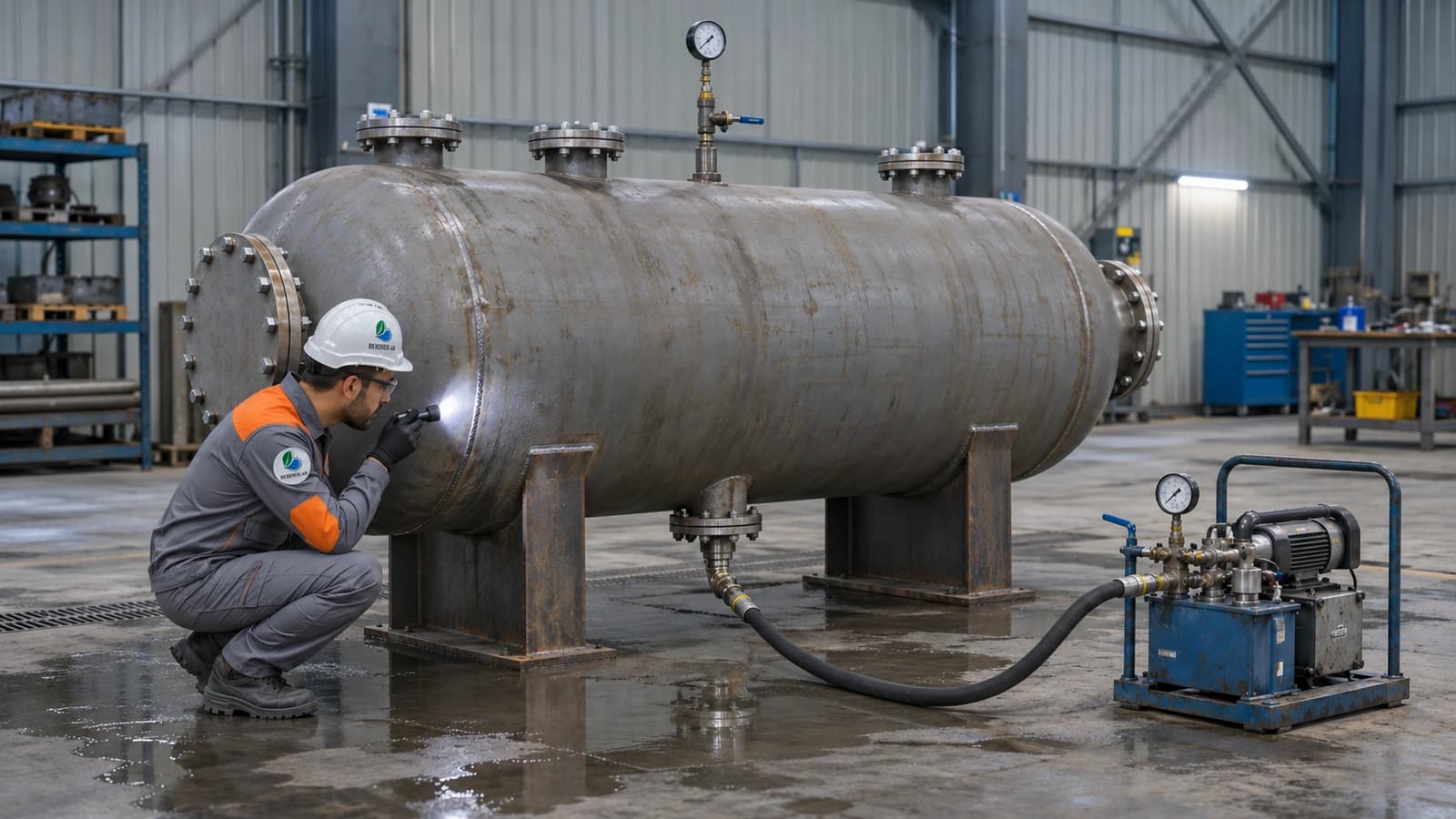
Leak test with foaming agent, loop checks, SIS testing (loss of N₂ / critical temperature), inspection of the N₂ network and backup, training in fire fighting without water, and phased commissioning at a reduced feed rate.
Conclusion
The success of a sodium methoxide unit lies in choosing the route that suits the market, removing moisture to the permitted limit, nitrogen blanketing, resistant materials, Ex and SIS, and dry purging before start-up.
Behineh Ab Engineering designs and builds the reactor, tanks, column and moisture-sensitive lines according to the capacity datasheet and safety requirements.
Technical specifications
Why is water forbidden for fire fighting?
The reaction of water with methoxide is strongly exothermic and can intensify a methanol fire; use alcohol-resistant foam, dry powder or CO₂, and on the sodium route Class D is required.
Why excess methanol?
The caustic–methanol reaction is an equilibrium; a 3 to 6 times molar excess shifts the equilibrium towards the product, and the water must be removed by distillation at the same time.
Nitrogen dew point
The blanketing gas usually needs a dew point below about −40 °C so that moisture does not get into the reactor and product tanks.
Applications and industries
Photo gallery
Process equipment gallery
Frequently asked questions
Request a quote
Sodium methoxide plant design and construction
Enter the pressure, temperature and fluid; our engineers send a technical proposal and price within 24 working hours.
- Written technical reply with a proposed concept drawing
- Site visit in Tehran and surroundings
- 24-month warranty on fabrication and welding