Design and fabrication of
milk transport tanks hygienic and insulated!
Keeping milk cold and fully meeting transport hygiene requirements
From milking until it reaches the processing plant, raw milk must be kept cold (usually below 4 °C) to keep bacterial growth under control. For this, a milk transport tank is built with a double wall and thermal insulation between the two layers, so changes in outside temperature have little effect on the temperature inside.
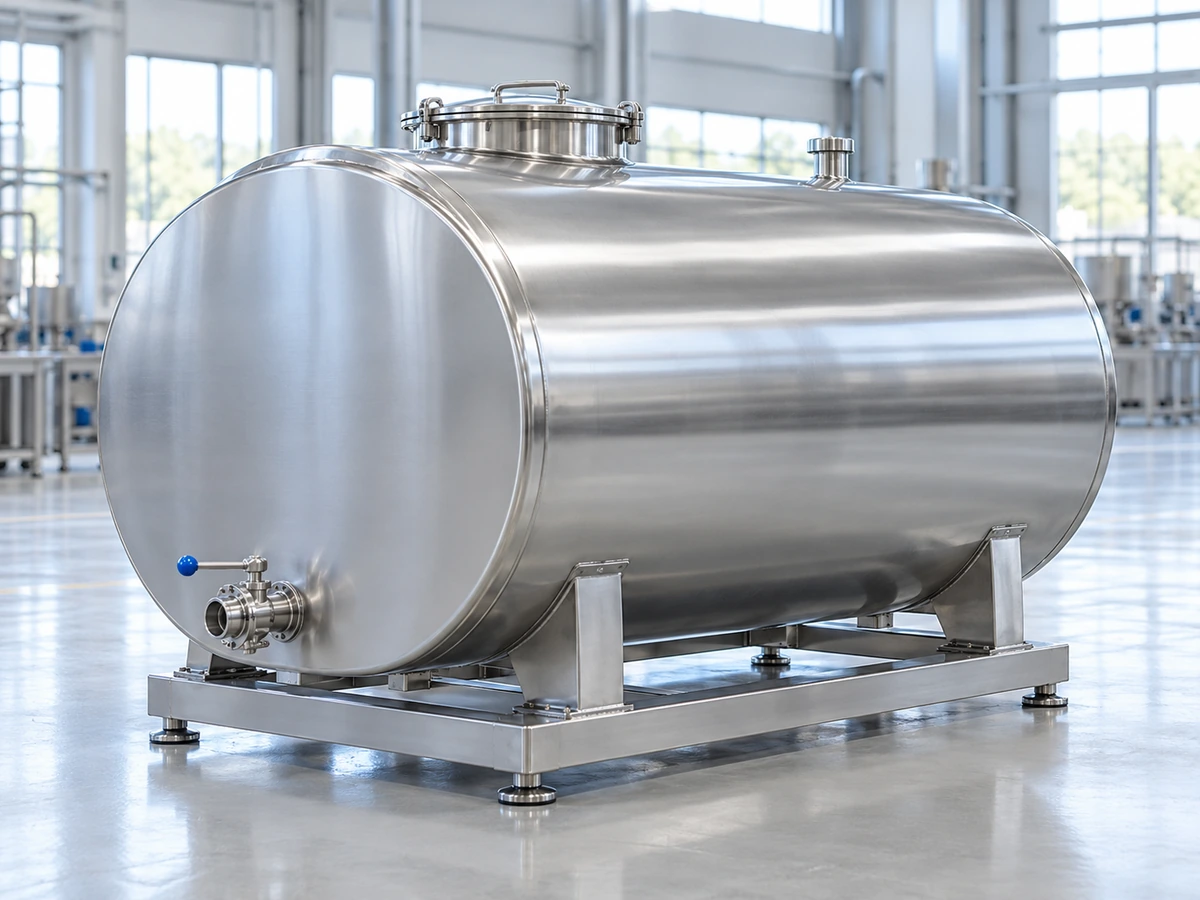
Key features
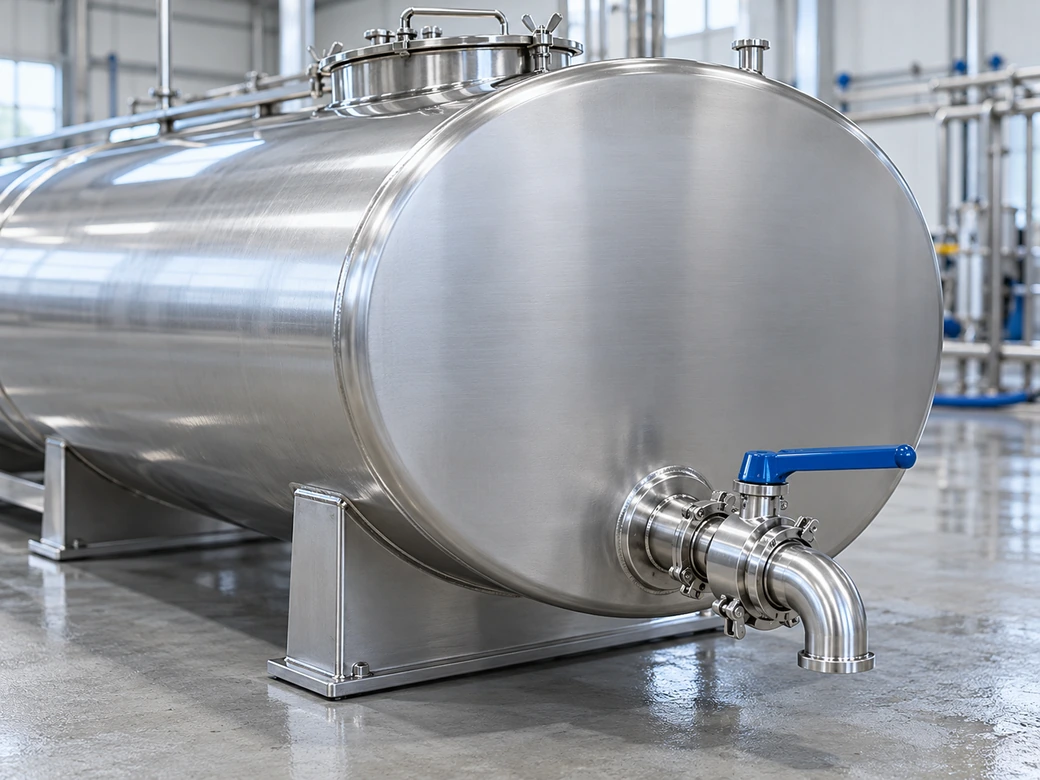
Technical details
The internal surface must be fully polished and seamless so that milk residue cannot deposit on it and the tank can be cleaned completely. Inlet and outlet connections are sanitary (Tri-Clamp) so that no connection point leaves a dead space where product residue can collect.
Behineh Ab designs milk transport tanks for the load volume, transport distance and climate along the route, and where needed adds a condenser system for extra cooling on long routes.
Technical specifications
Single, double or triple wall: which suits your route?
A single-wall tank is economical for short routes and quick transfers (milk, liquid oil, flour) but has no thermal protection. A double-wall tank, with an insulated gap between the walls, keeps the temperature steady while raw milk is loaded and unloaded. A triple-wall tank has an extra layer for circulating hot water/steam or an ice-bank system and gives the most stable temperature control.
In terms of volume, tanks mounted on pickups or light trucks usually hold from 700 kg to 2 tonnes, and regional tanks up to 4–5 tonnes, built with one to three loading hatches as needed.
Why is thermal insulation essential for a milk transport tank?
Even a short rise in raw-milk temperature speeds up bacterial growth considerably and can reduce the quality and shelf life of the final product. The double wall, with a polyurethane insulation layer between two stainless skins, keeps heat transfer from outside to a minimum.
Insulation thickness is usually calculated from the transport time and the expected temperature difference between outside and inside; for long routes or hot regions, adding a condenser system is recommended.
Surface finish and sanitary fittings
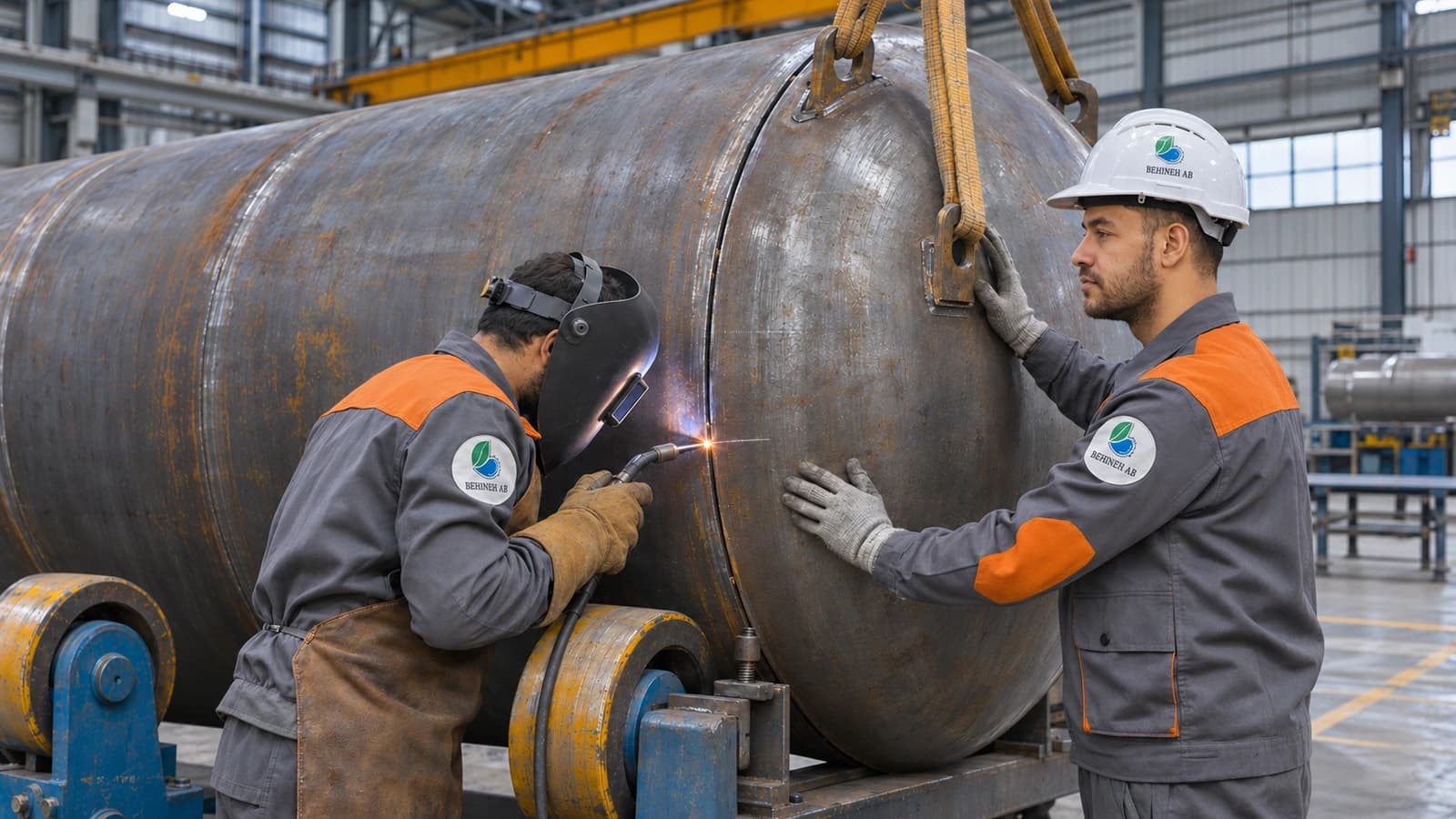
Any rough weld seam or dead space in the milk's flow path can collect product residue and grow bacteria. That is why all internal welds of a milk transport tank must be polished and the fittings must be sanitary (no open threads).
This surface-finish standard both preserves milk quality in transit and makes cleaning the tank after each unloading quick and simple.
Accessories: agitator, inspection hatch and drain valve
An internal agitator stops milk fat from settling in transit and keeps the product uniform on long hauls. The inspection hatch lets you see and clean the inside without opening the whole structure, and a sanitary drain valve at the bottom ensures complete emptying with no product left behind.
Applications and industries
Photo gallery
Stainless milk transport tank gallery
Frequently asked questions
Request a quote
Stainless milk transport tank
Enter the pressure, temperature and fluid; our engineers send a technical proposal and price within 24 working hours.
- Written technical reply with a proposed concept drawing
- Site visit in Tehran and surroundings
- 24-month warranty on fabrication and welding